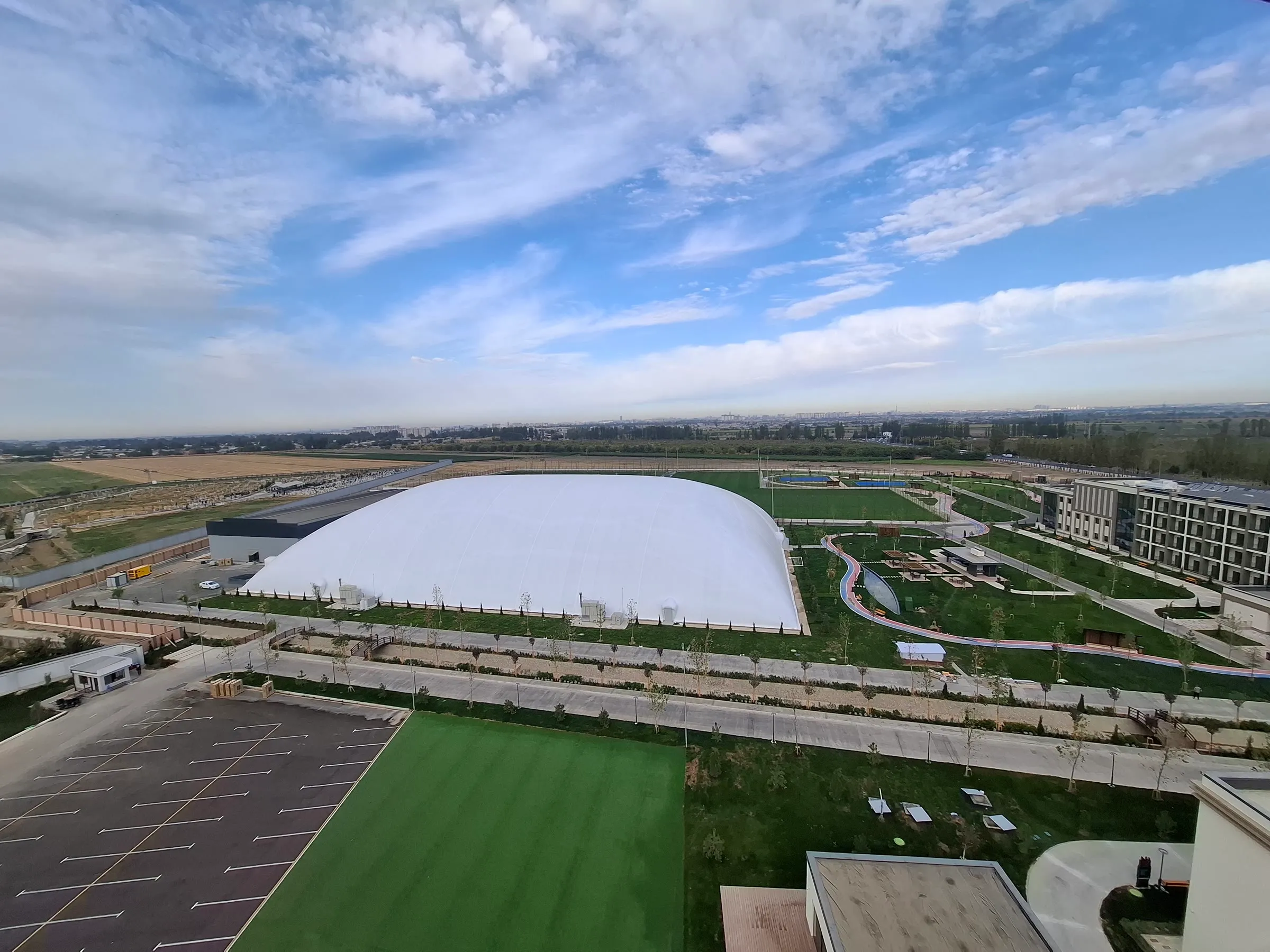
Biting frost
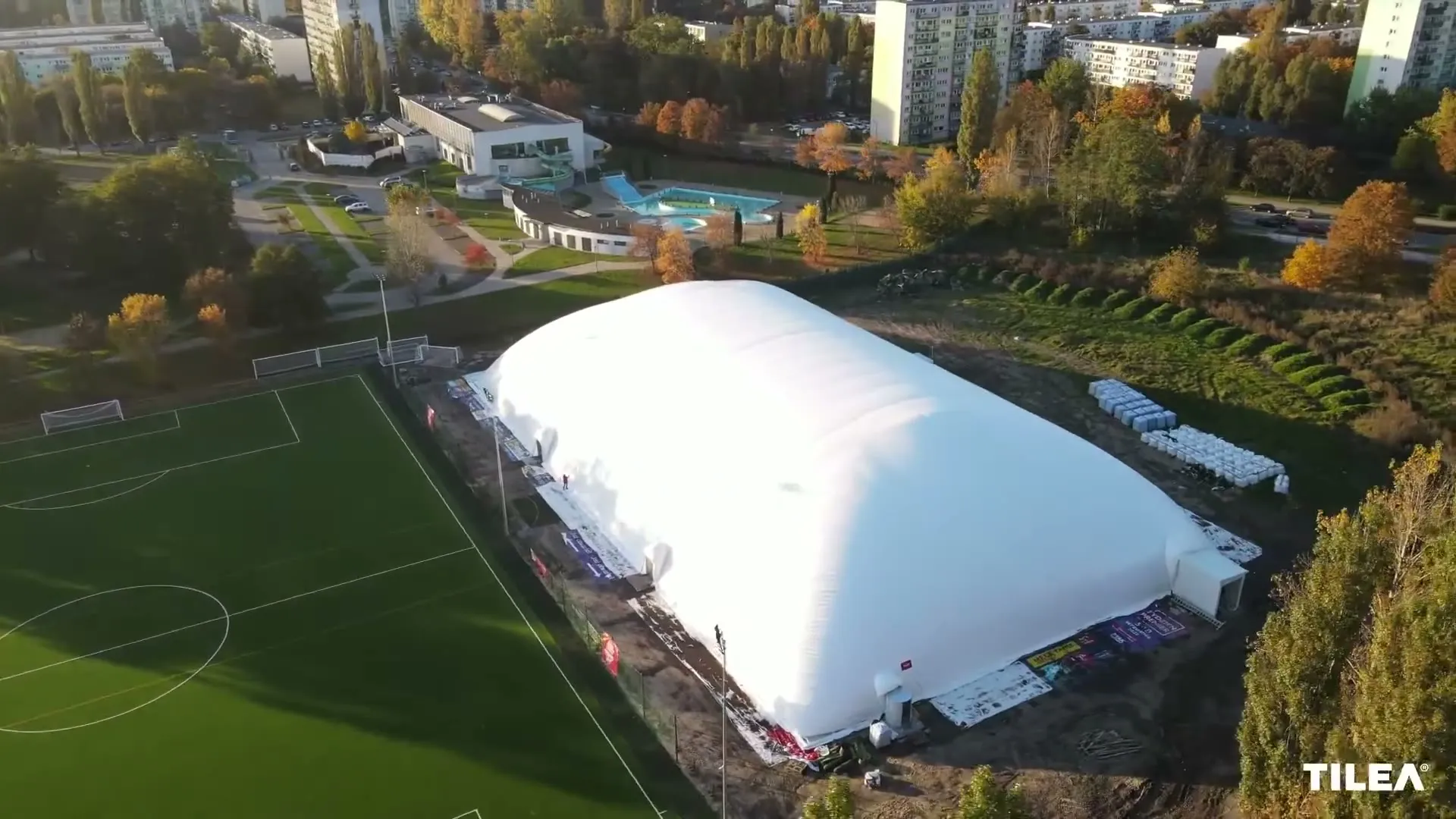
Stronger membranes carry the snow load, and the heating switches itself on the moment snow starts to fall.
Tashkent, Uzbekistan
From the biting frost of Central Asia and the gales of northern coasts to the fierce heat of the Arabian Peninsula, TILEA air domes have proved they belong on top of the game — literally.
One dome technology, set up for three very different kinds of weather.
Stronger membranes carry the snow load, and the heating switches itself on the moment snow starts to fall.
Tashkent, Uzbekistan
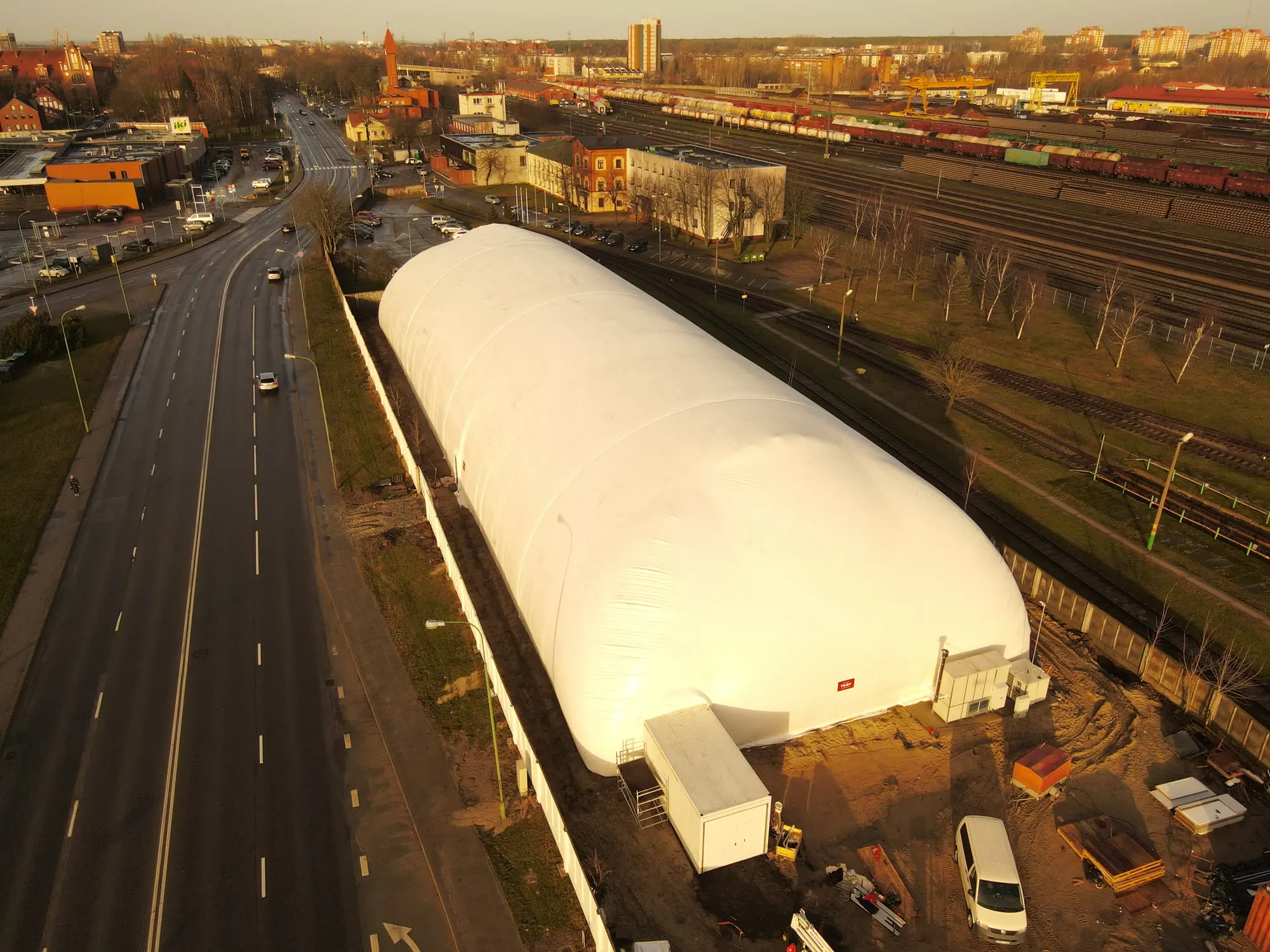
When the wind picks up, the dome raises its own pressure and holds its shape until the storm has passed.
Go Arena Klaipėda, Lithuania
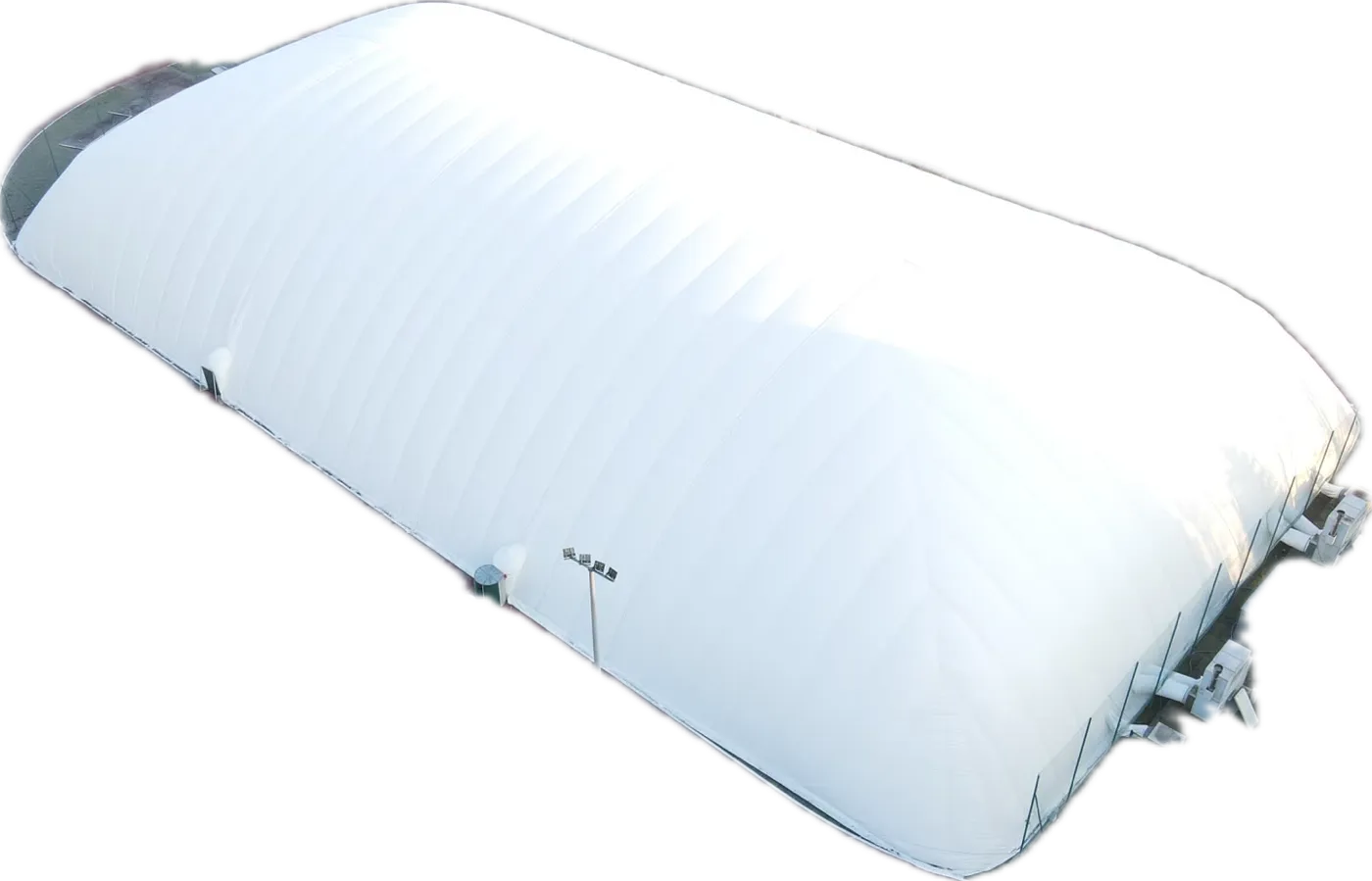
Opaque membranes keep the sun out, the insulation keeps the heat out, and the cooling works only as hard as it has to.
Now being built: Dubai, UAE
A selection of our projects. Press play on a card to watch that dome go up.
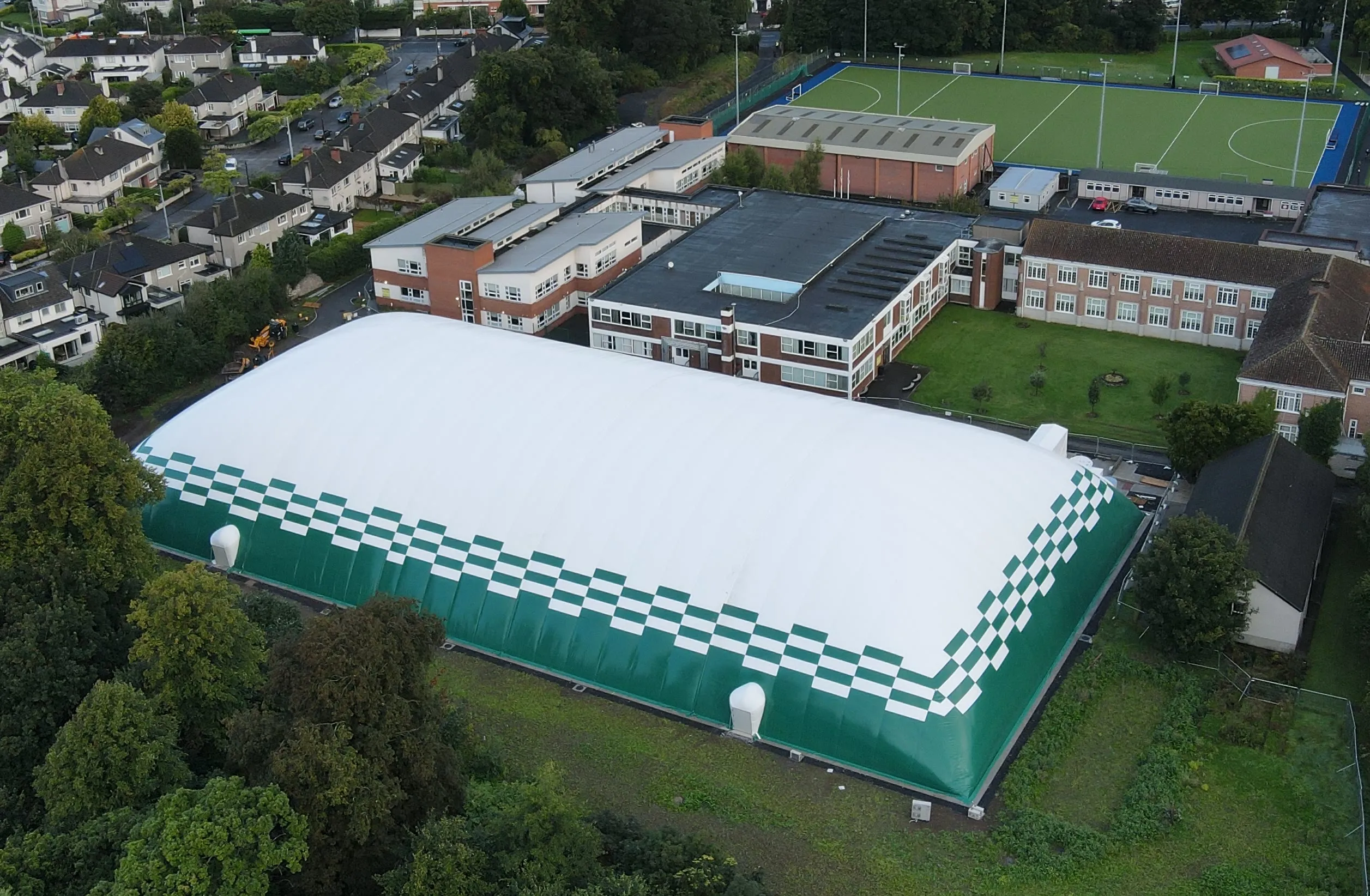
Dublin, Ireland
Tashkent, Uzbekistan
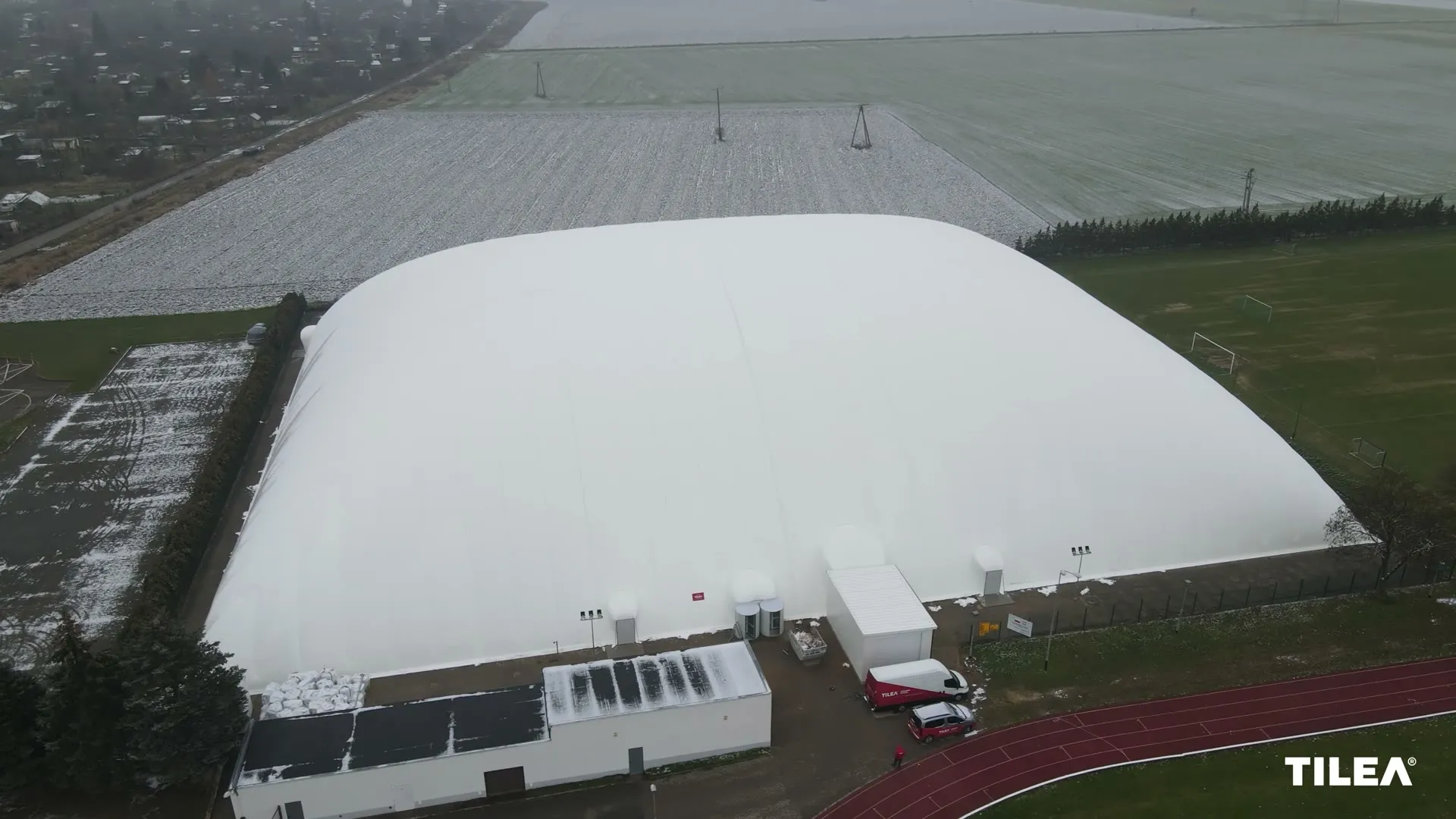
Dzierżoniów, Poland
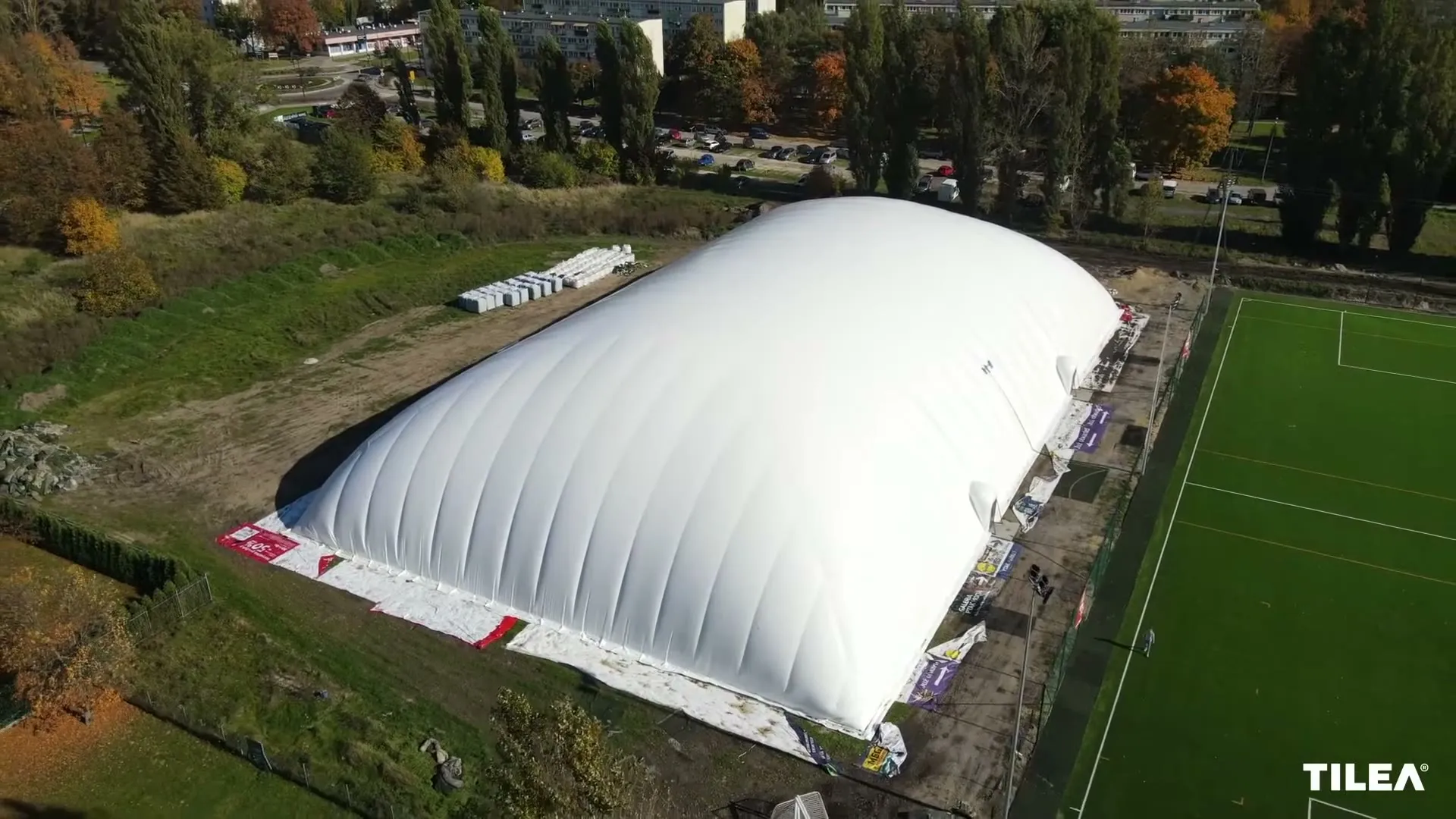
Łódź, Poland
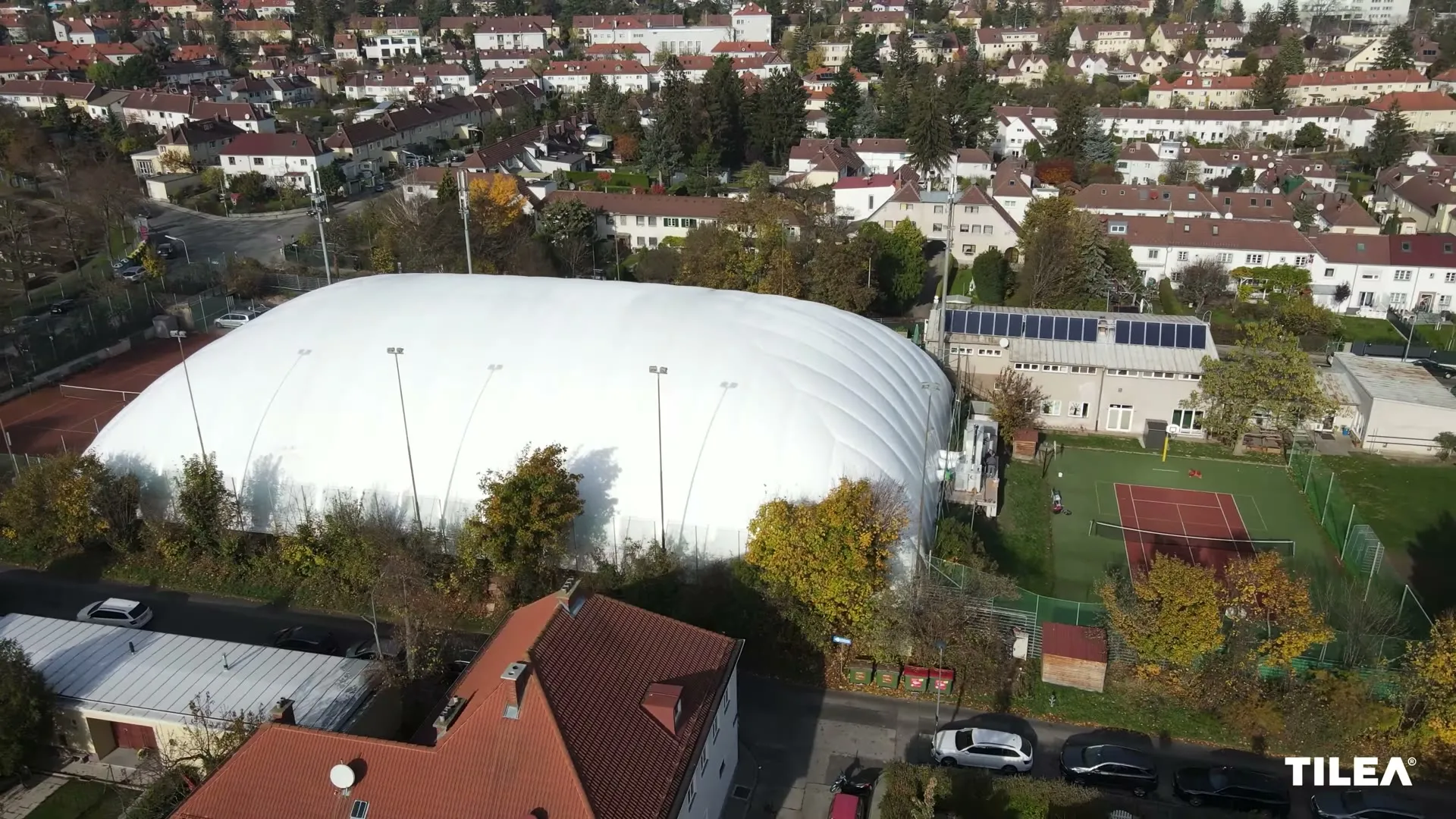
Vienna, Austria
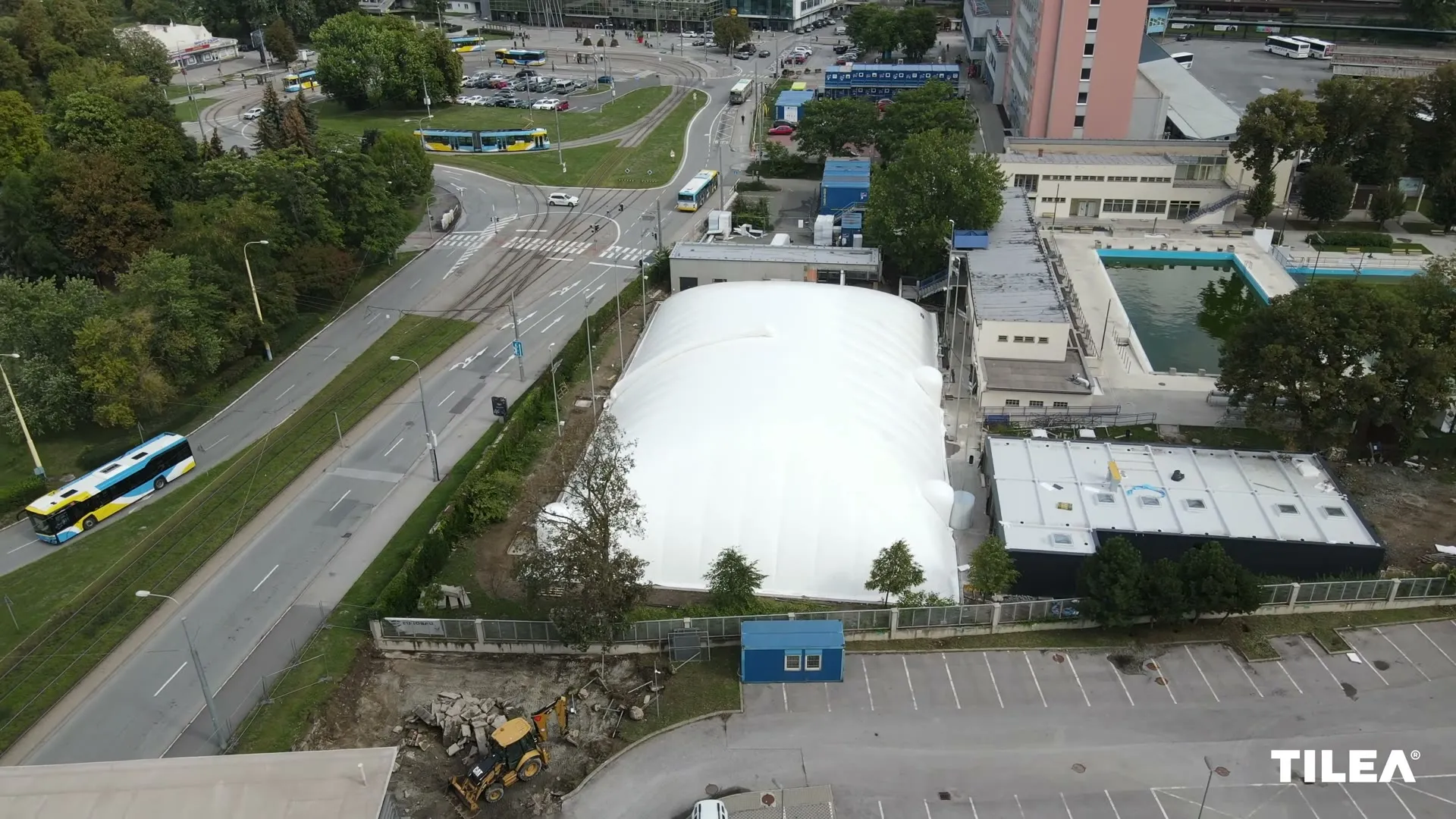
Košice, Slovakia
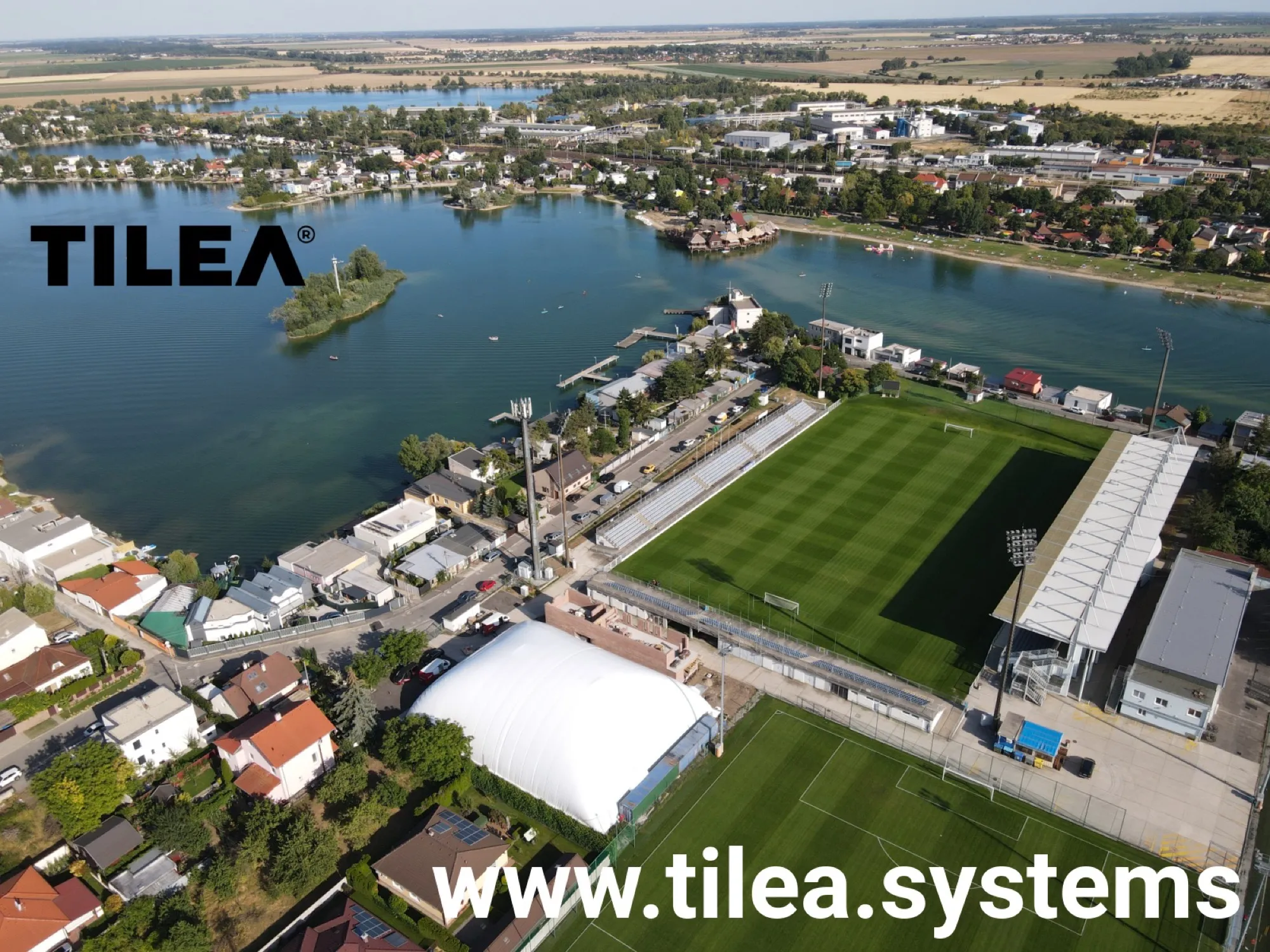
Senec, Slovakia
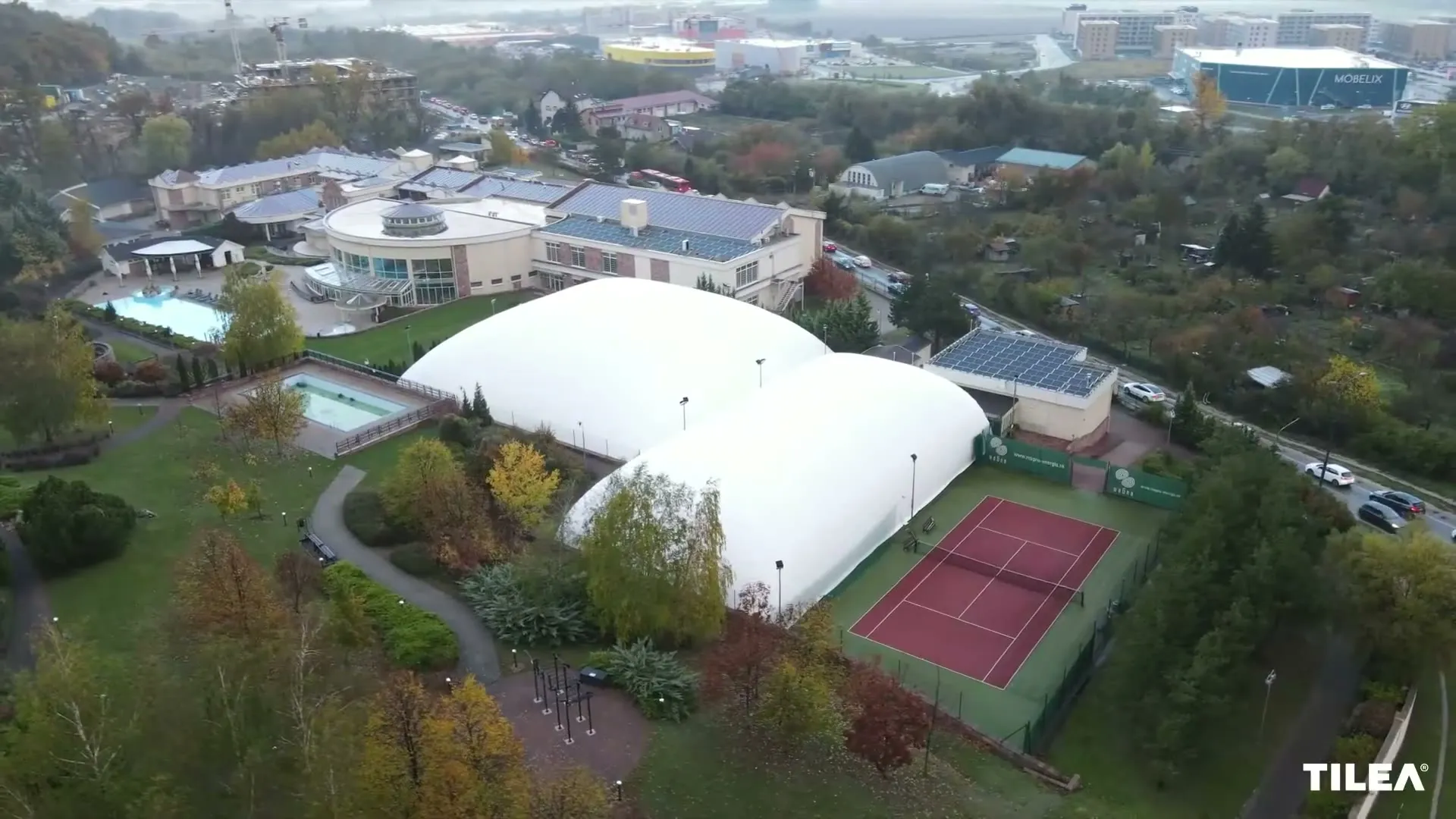
Bratislava, Slovakia
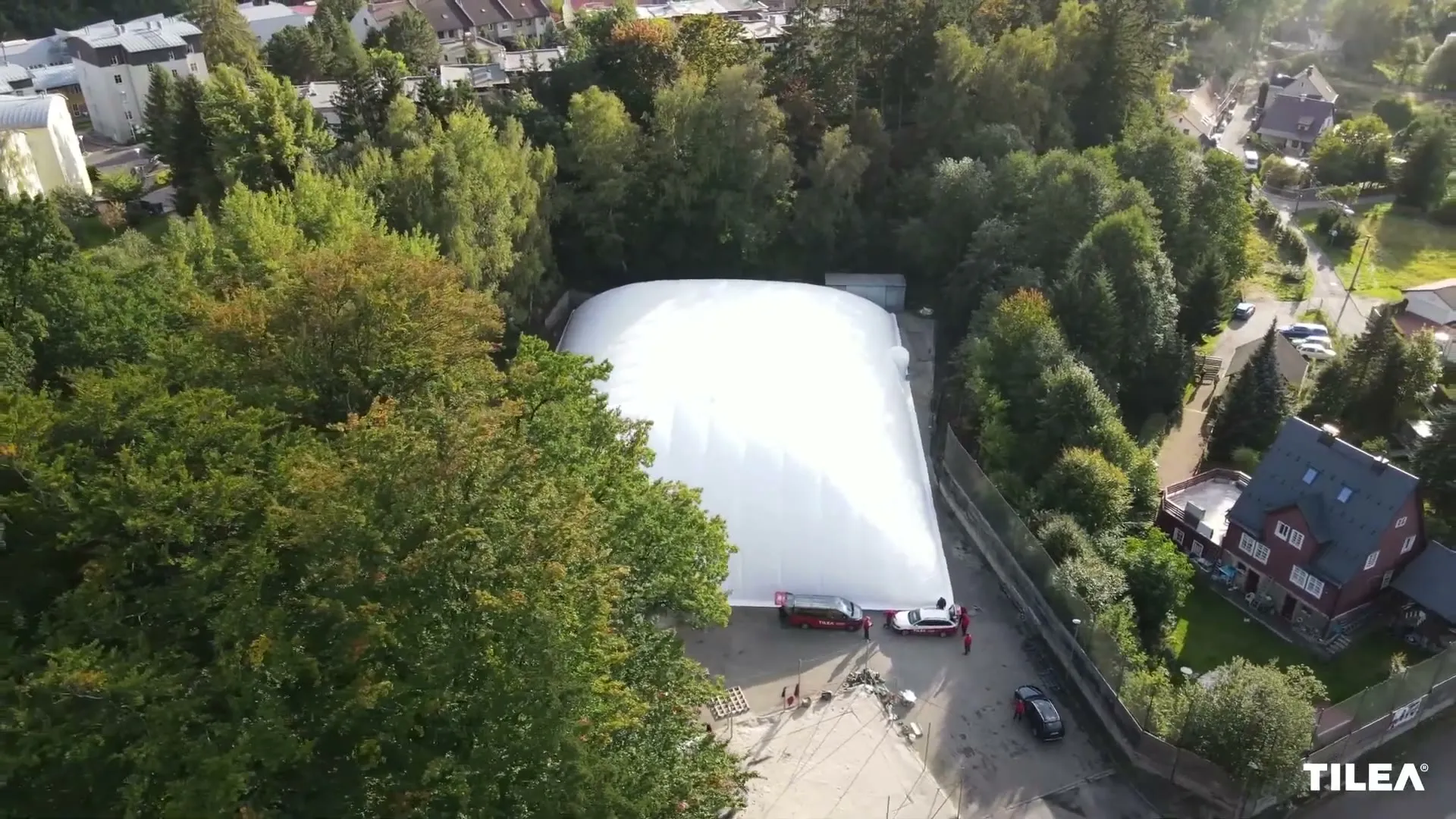
Liberec, Czechia
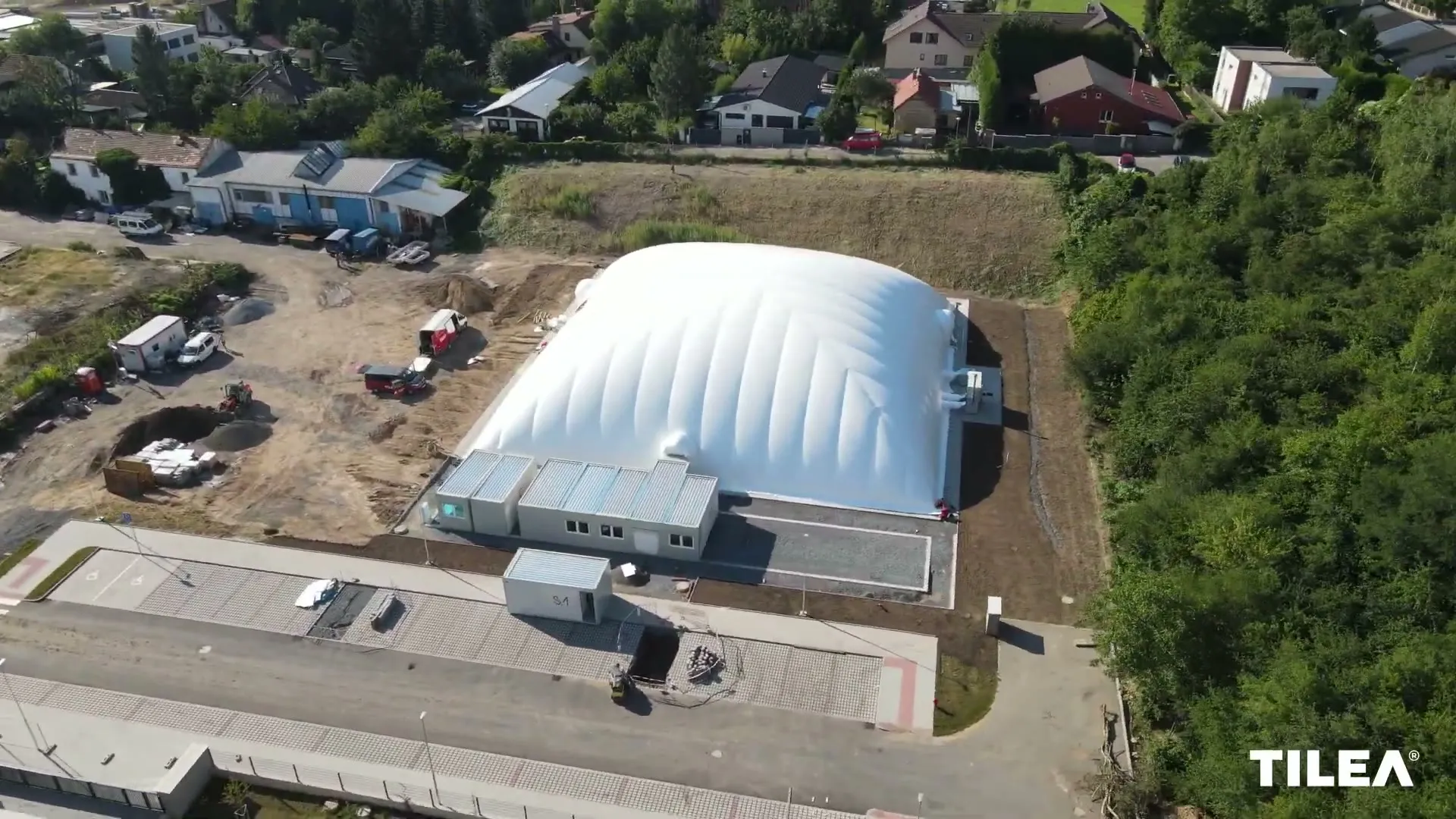
Roztoky, Czechia
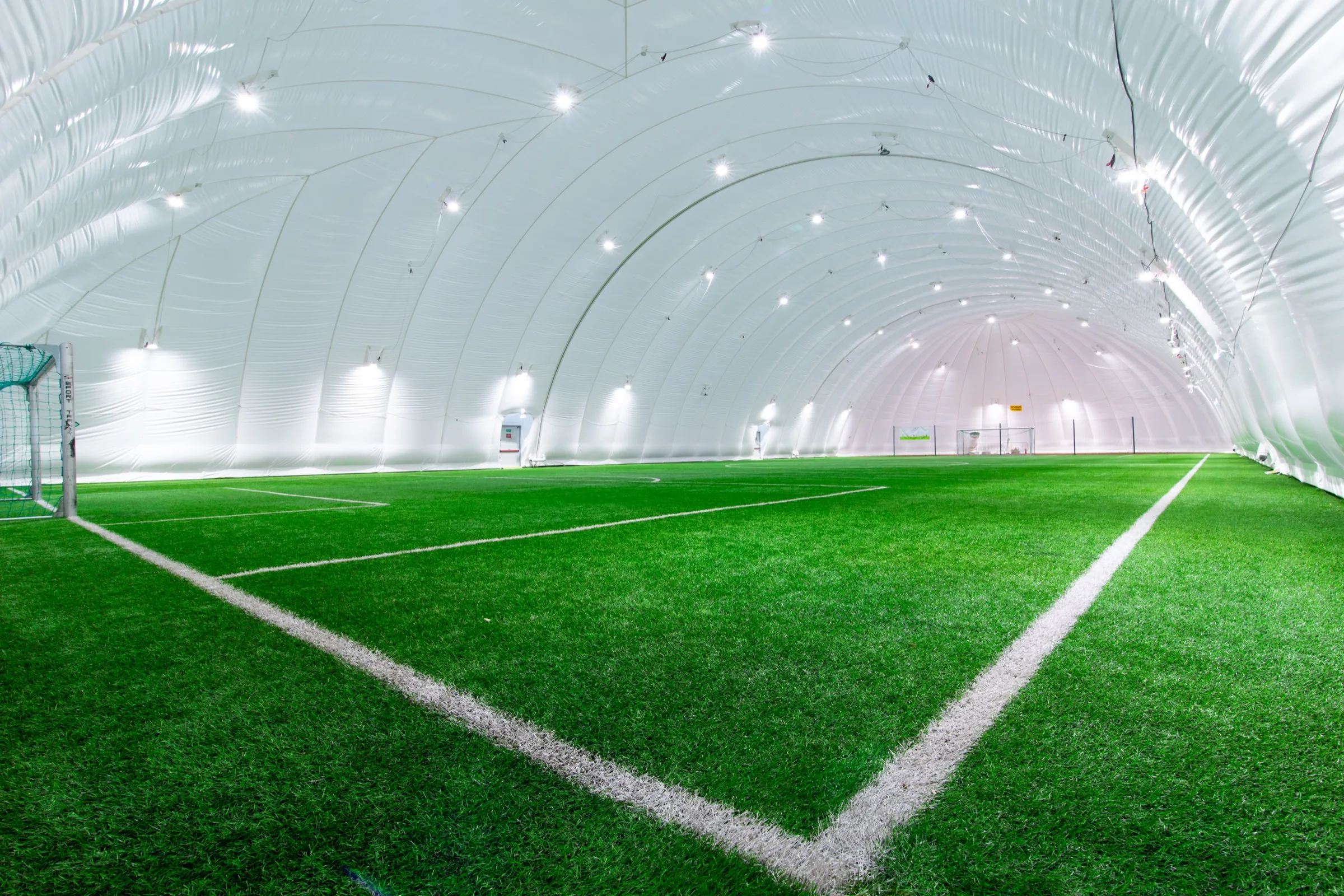
Łomianki, Poland
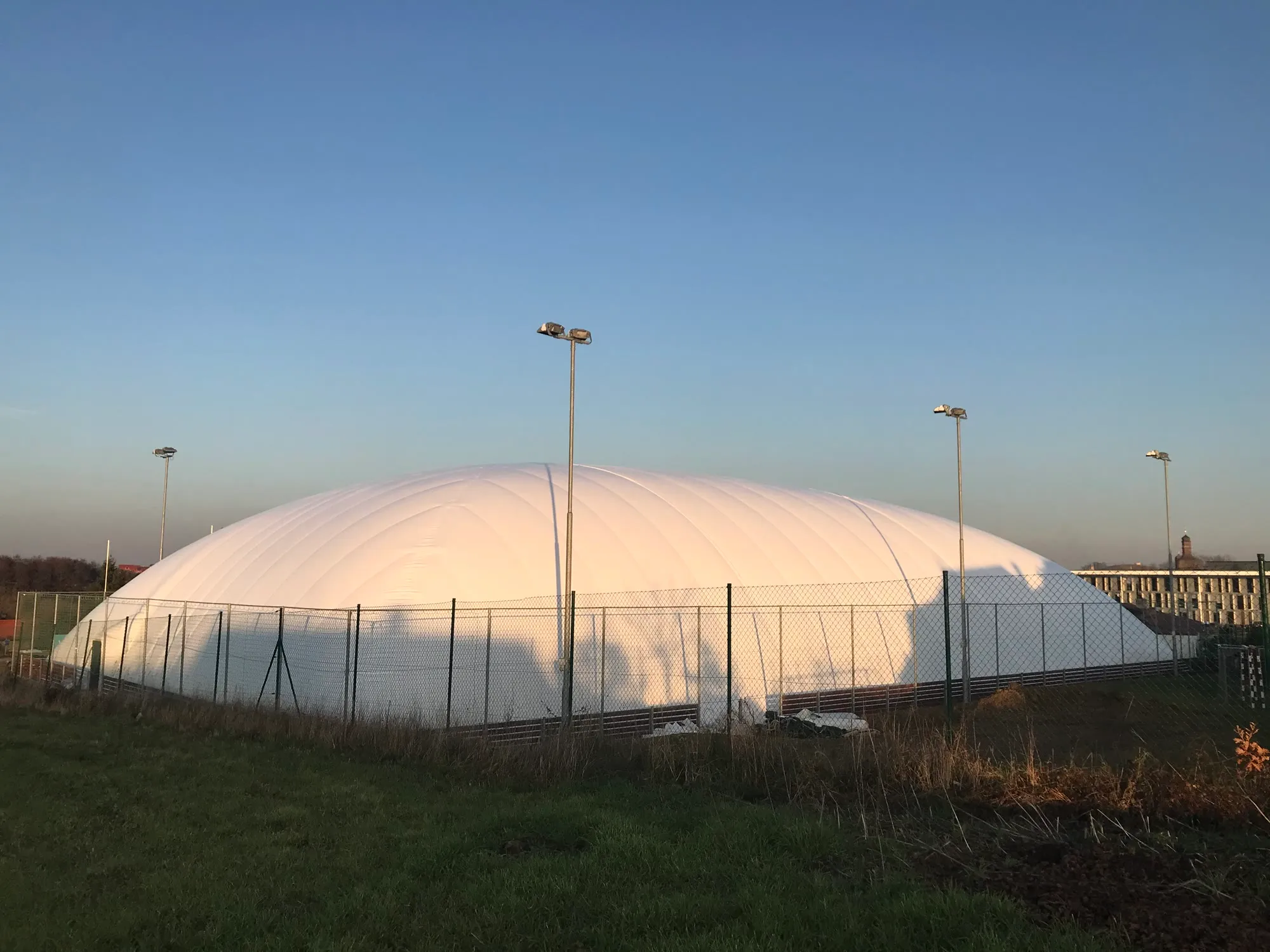
Dolní Břežany, Czechia
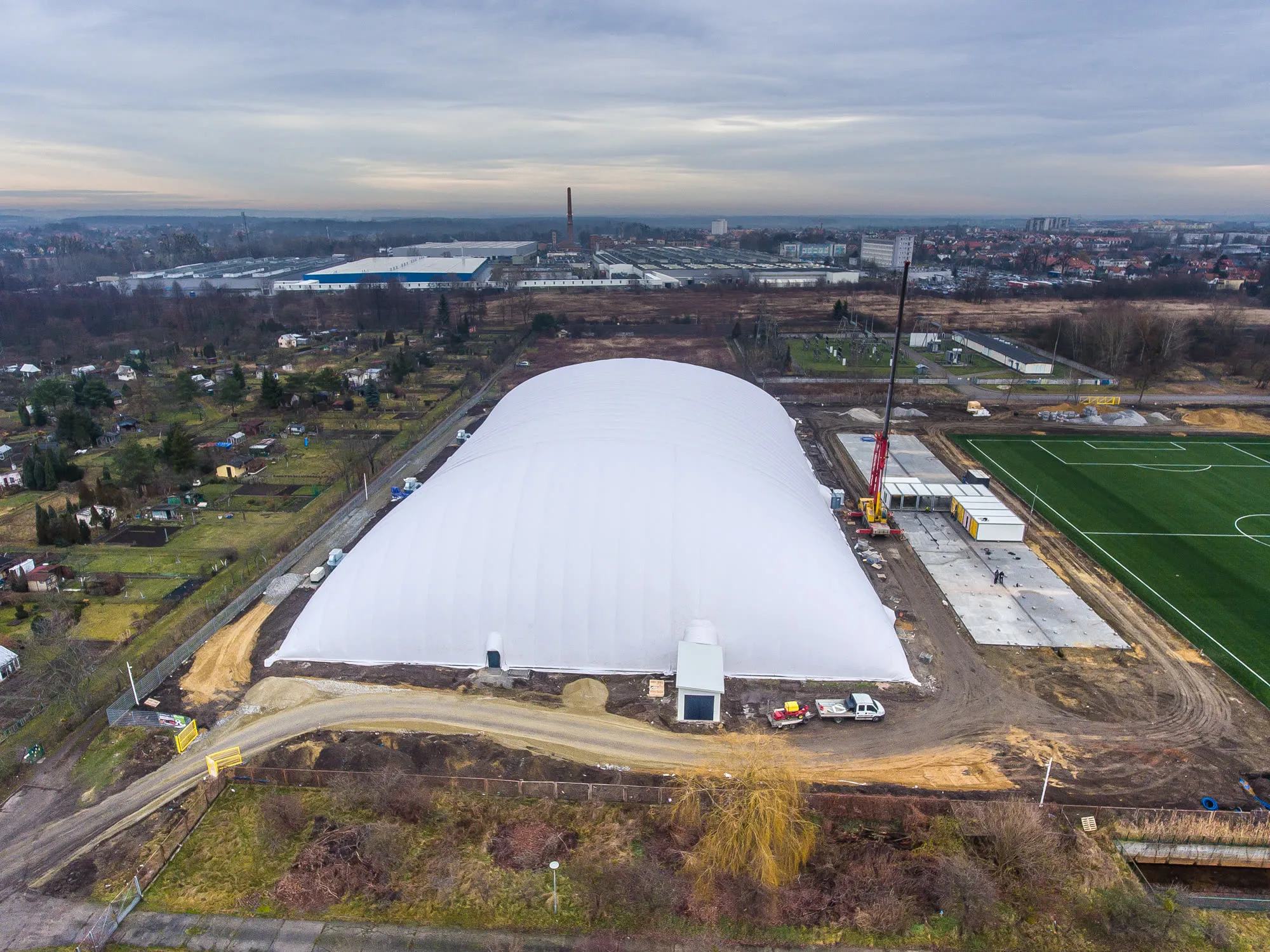
Wrocław, Poland
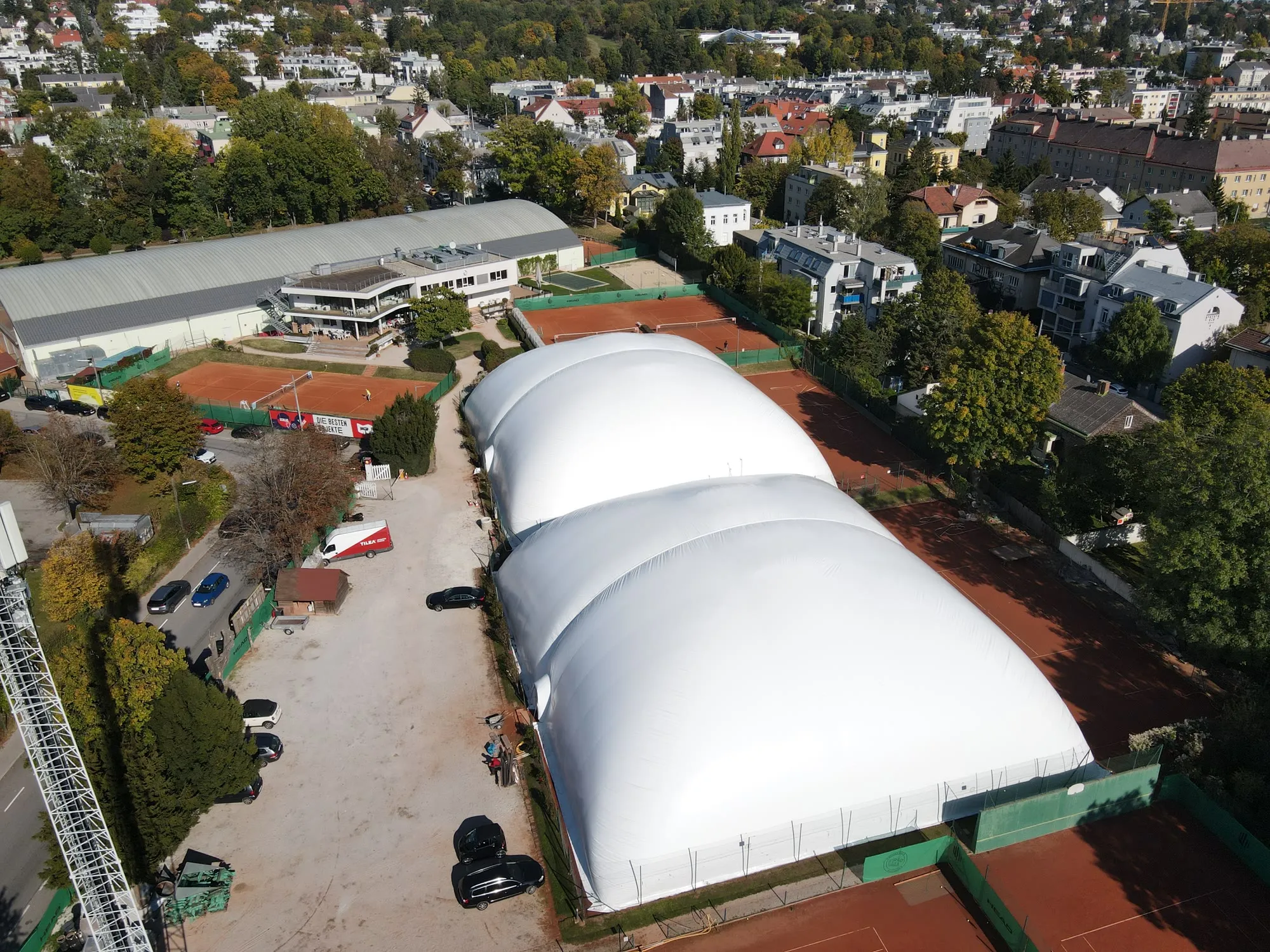
Vienna, Austria
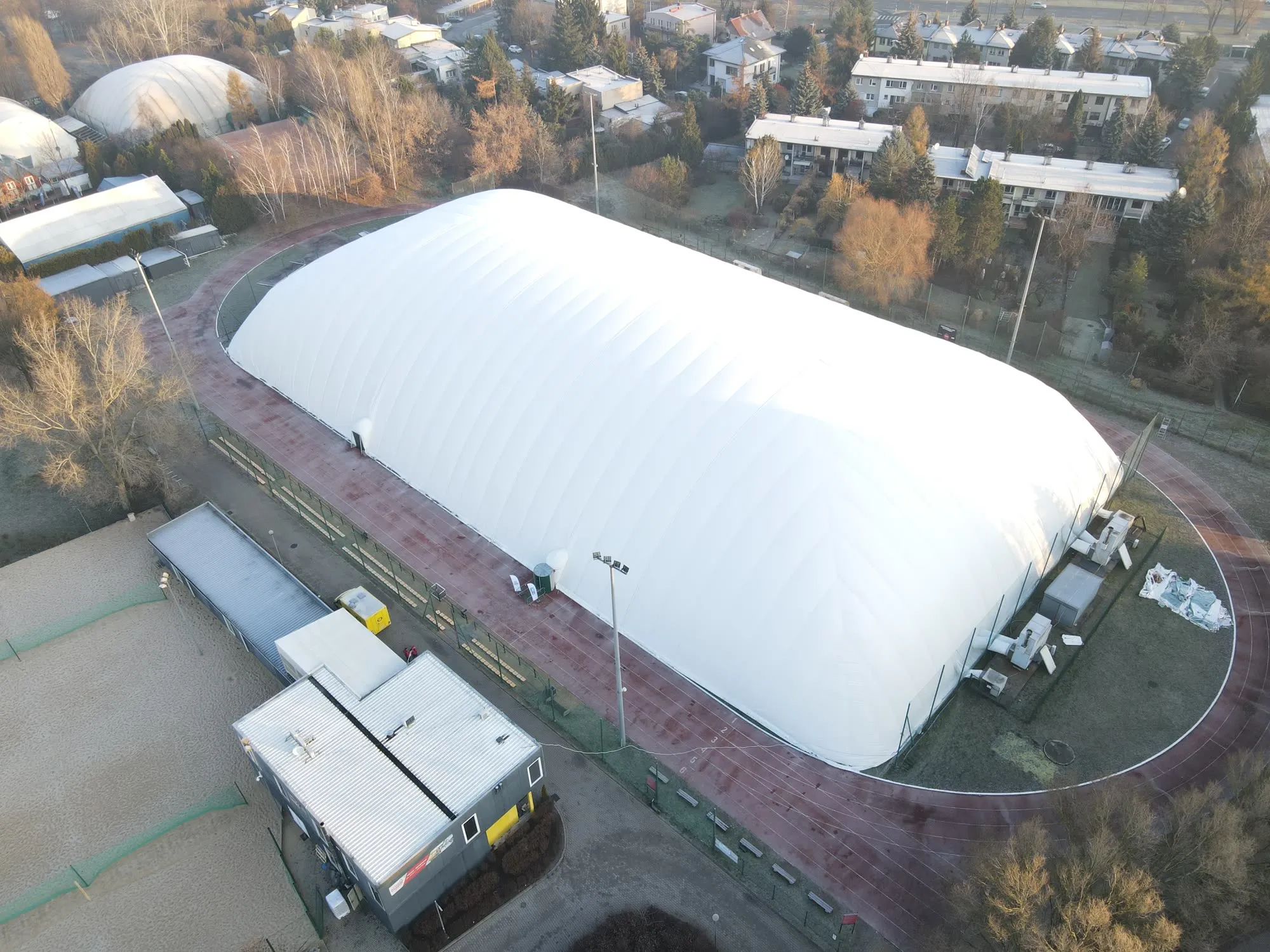
Warsaw, Poland
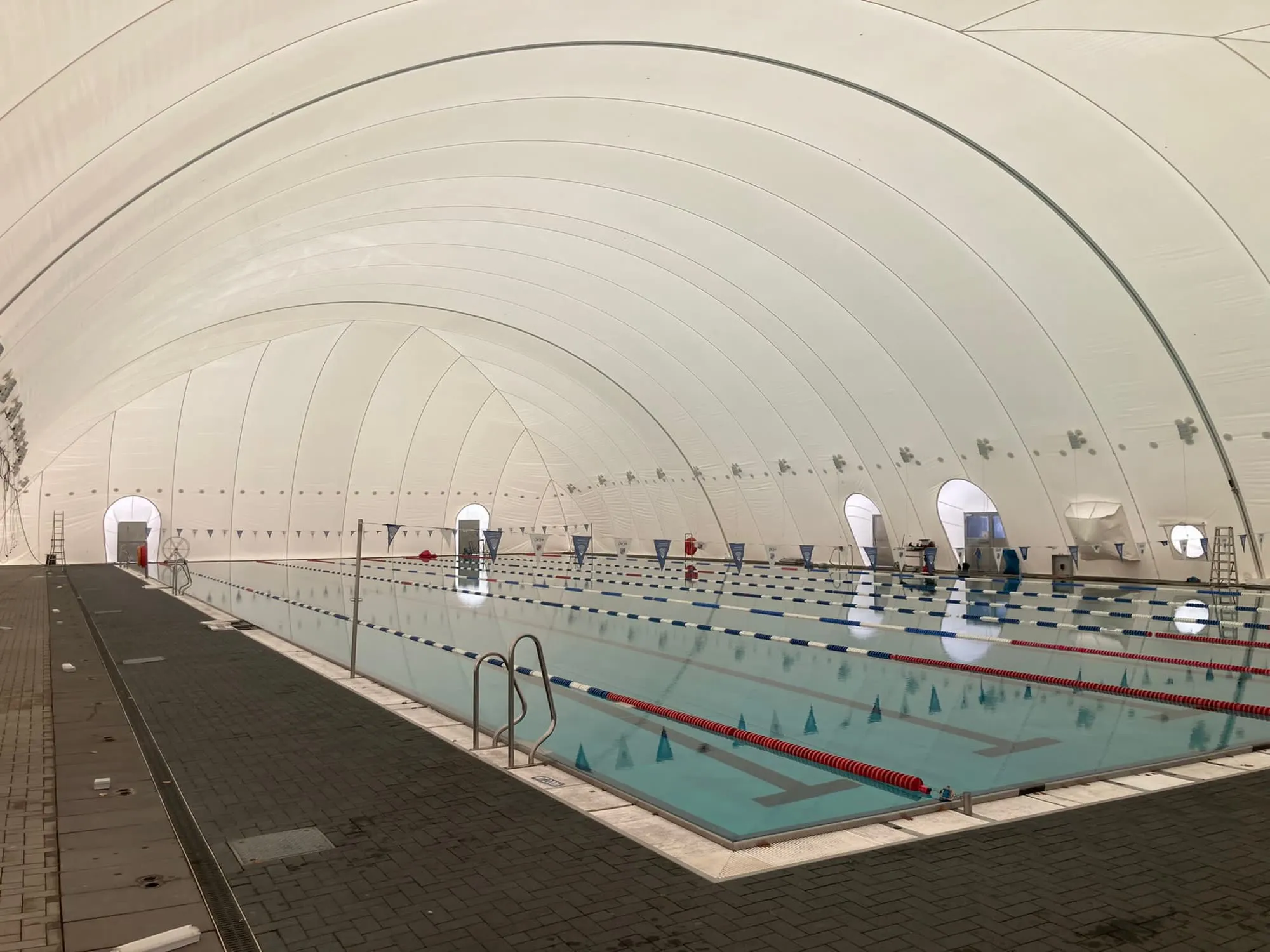
Offenbach, Germany
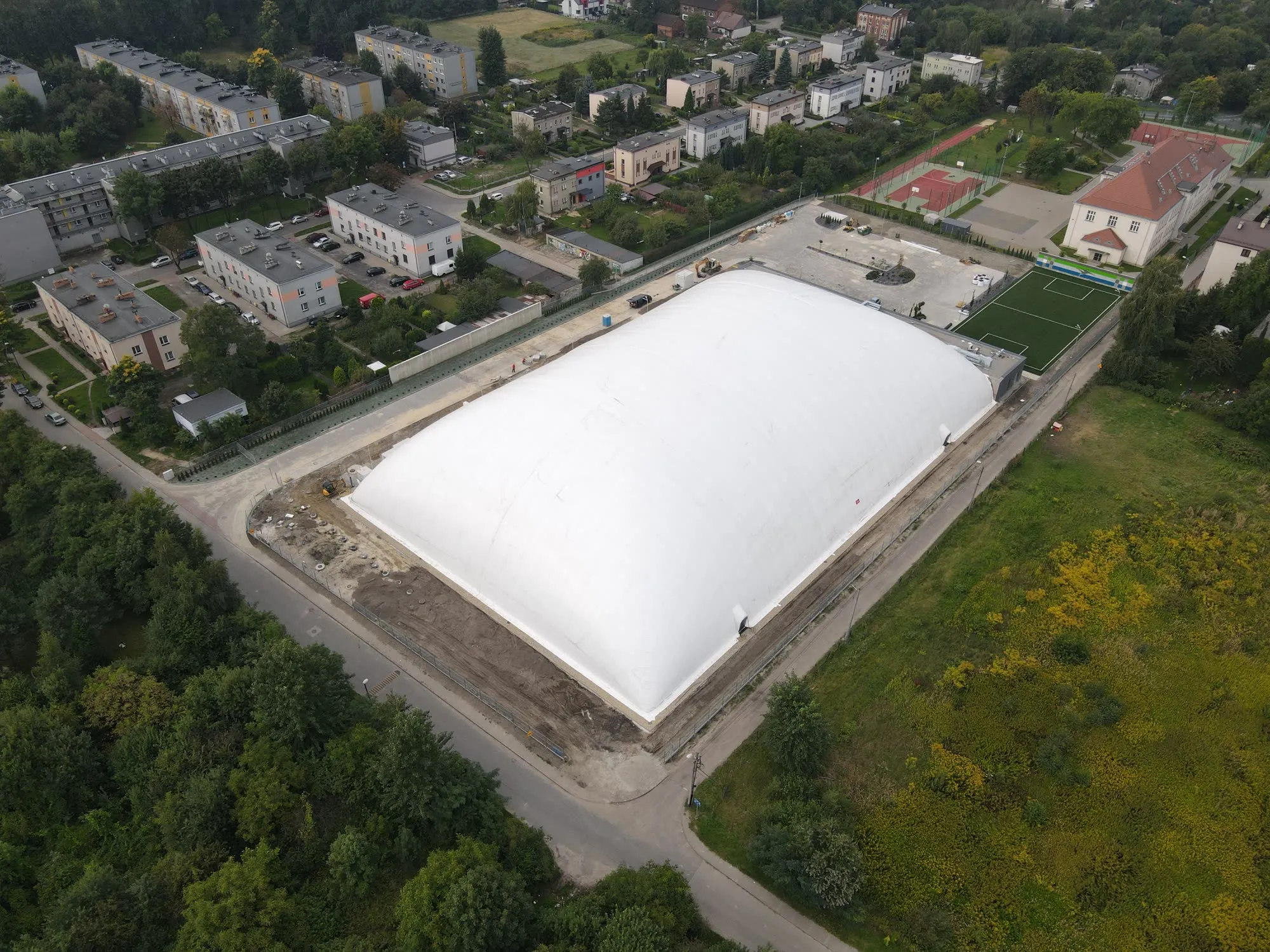
Gliwice, Poland
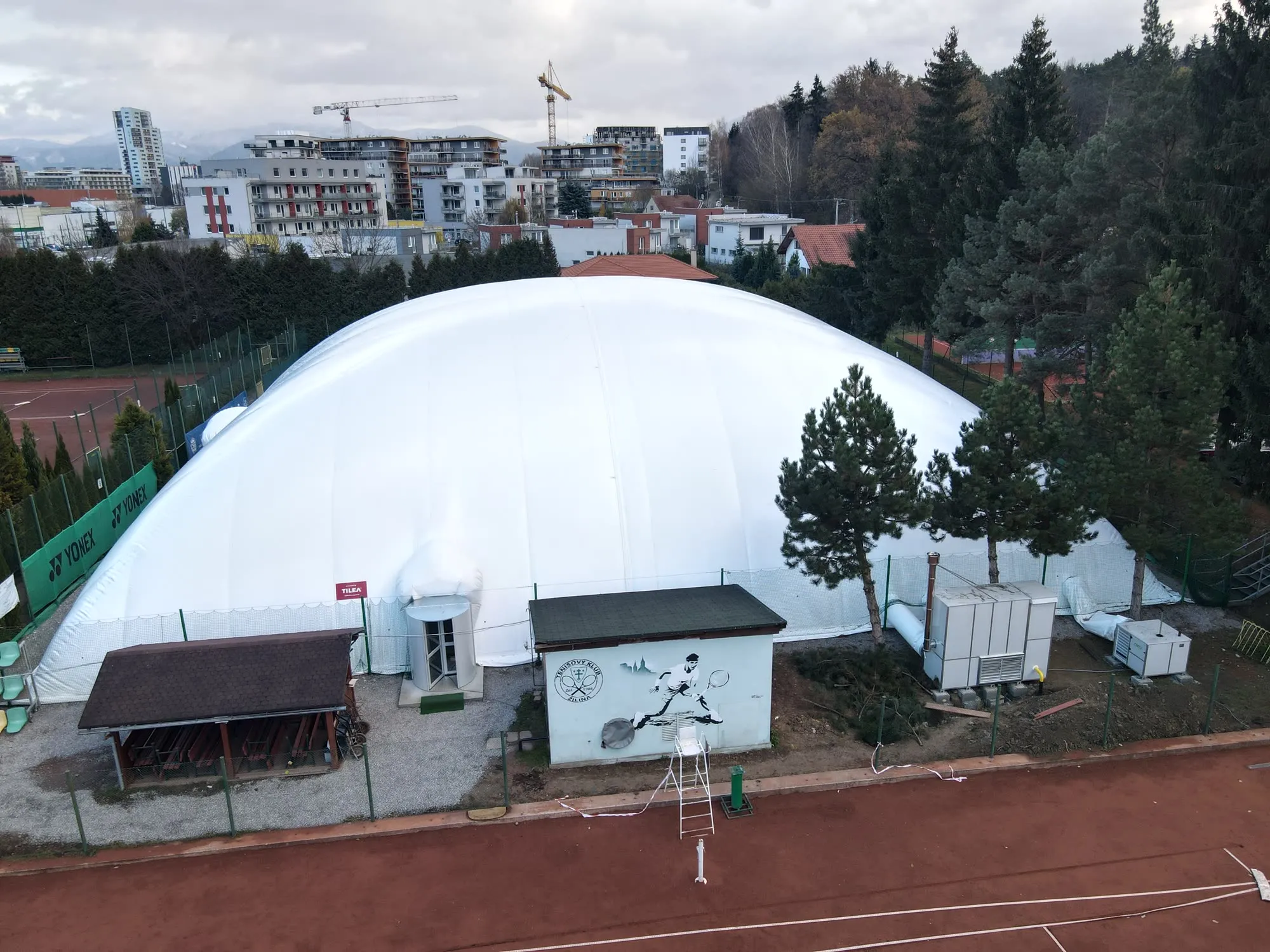
Žilina, Slovakia
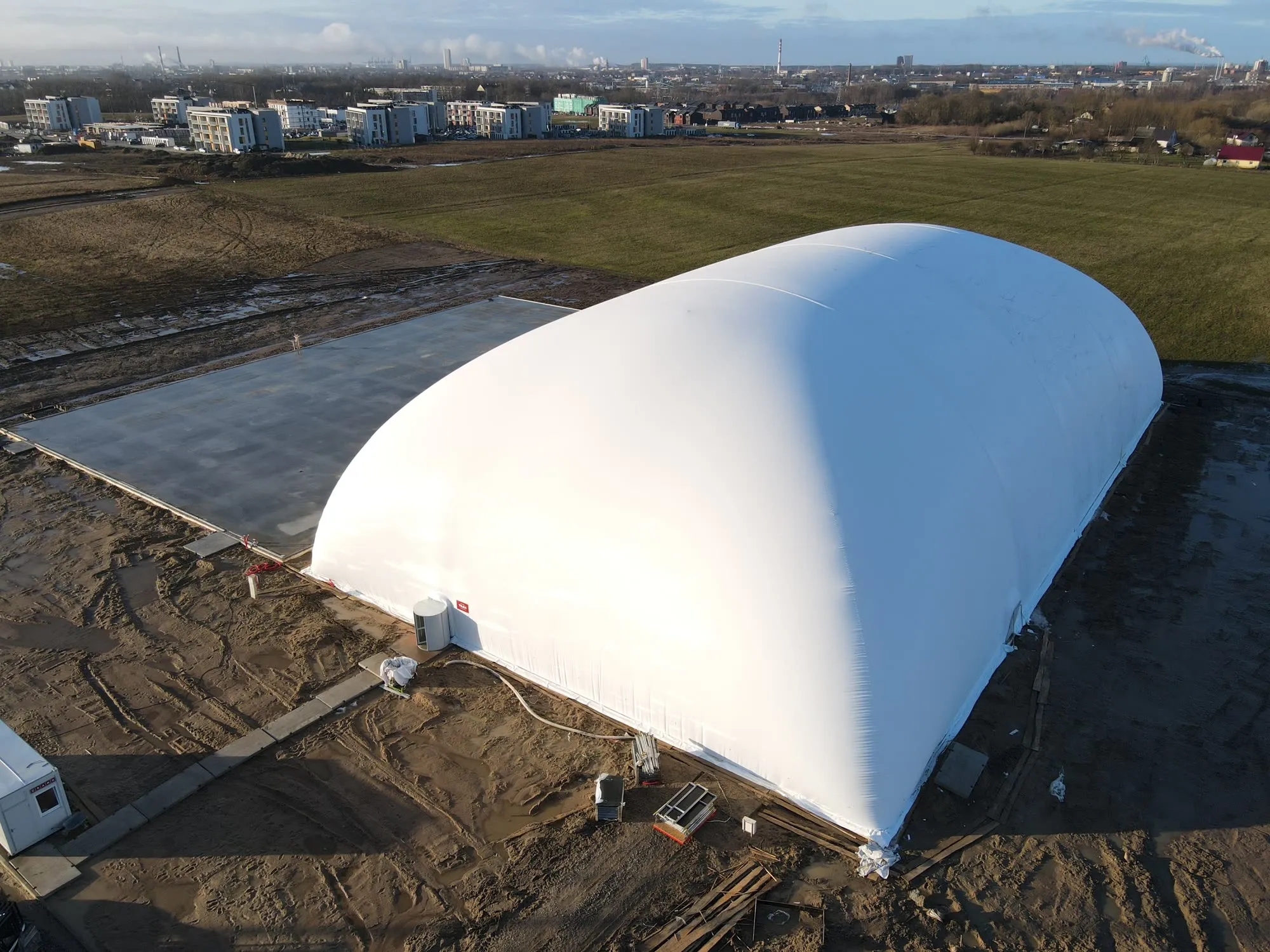
Klaipėda, Lithuania
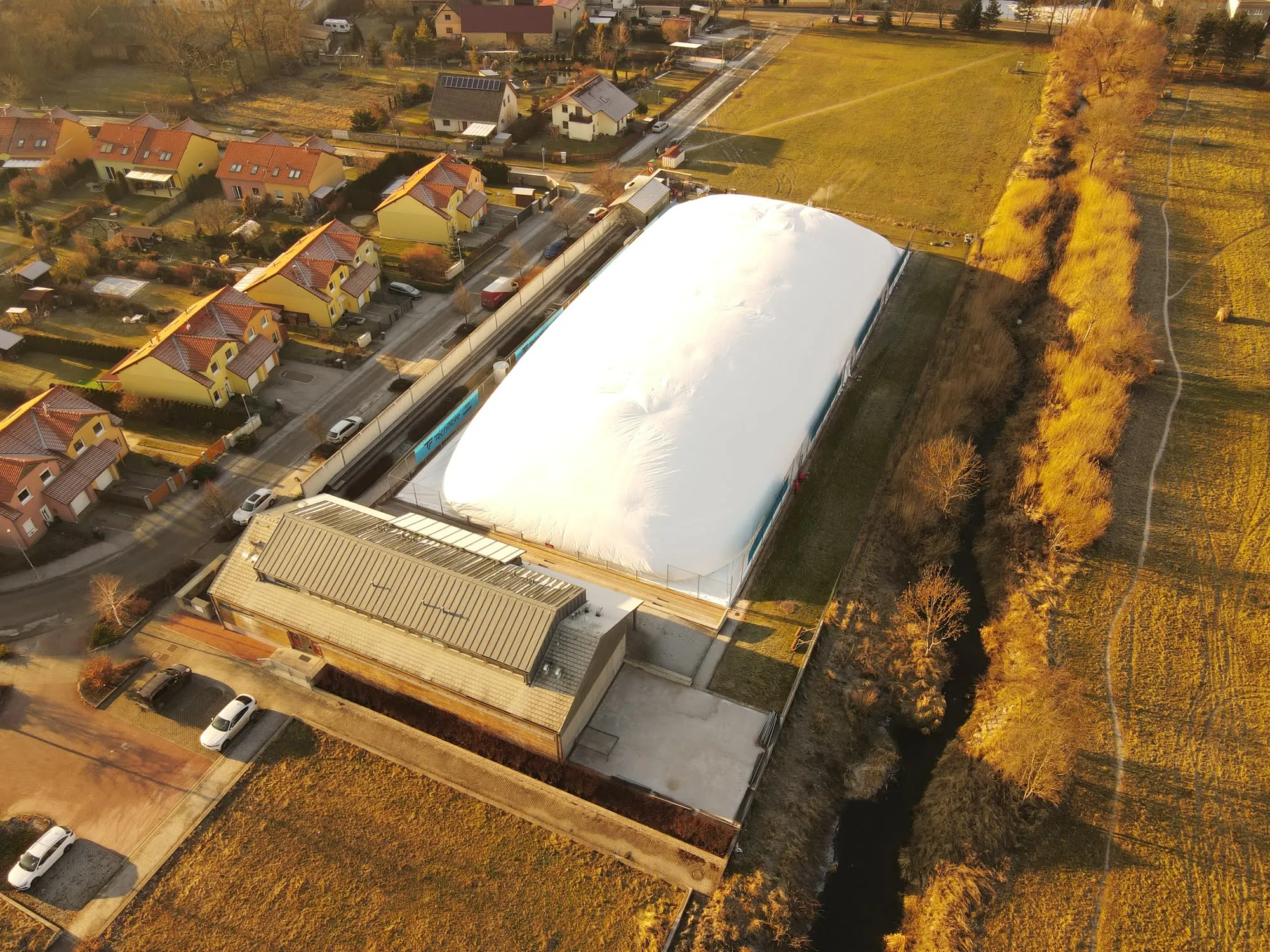
Tachlovice, Czechia
Klaipėda, Lithuania
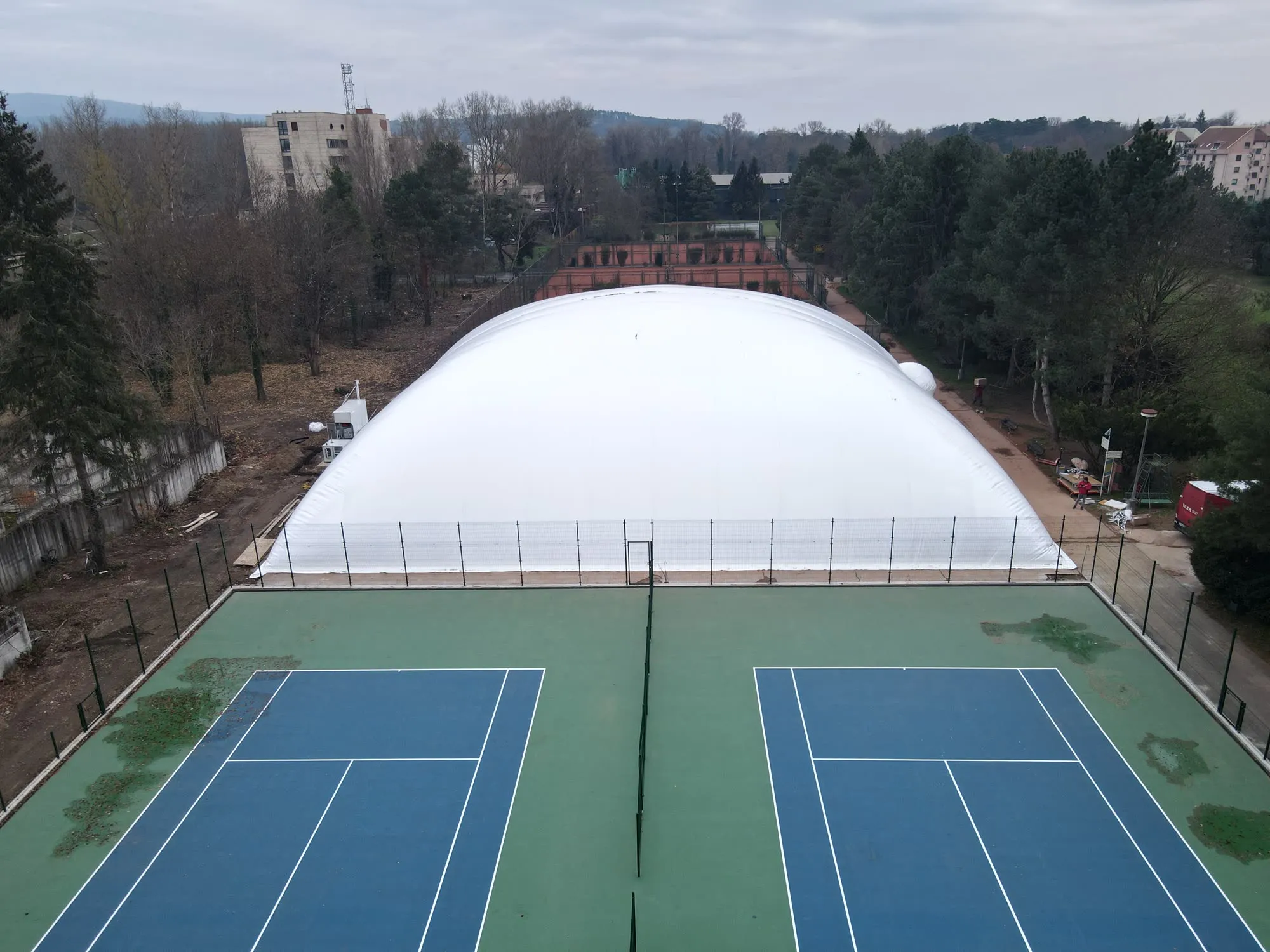
Piešťany, Slovakia
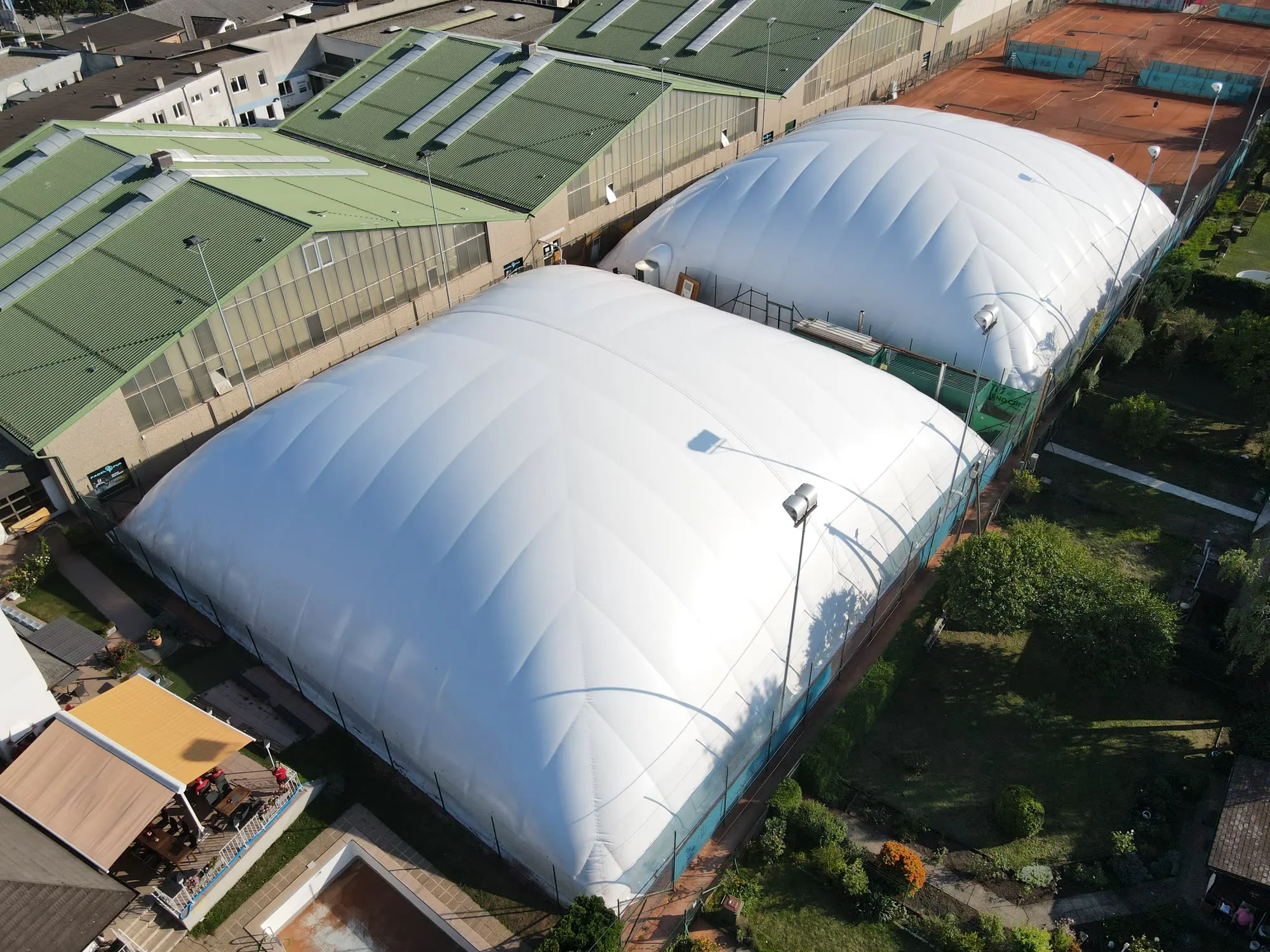
Vienna, Austria
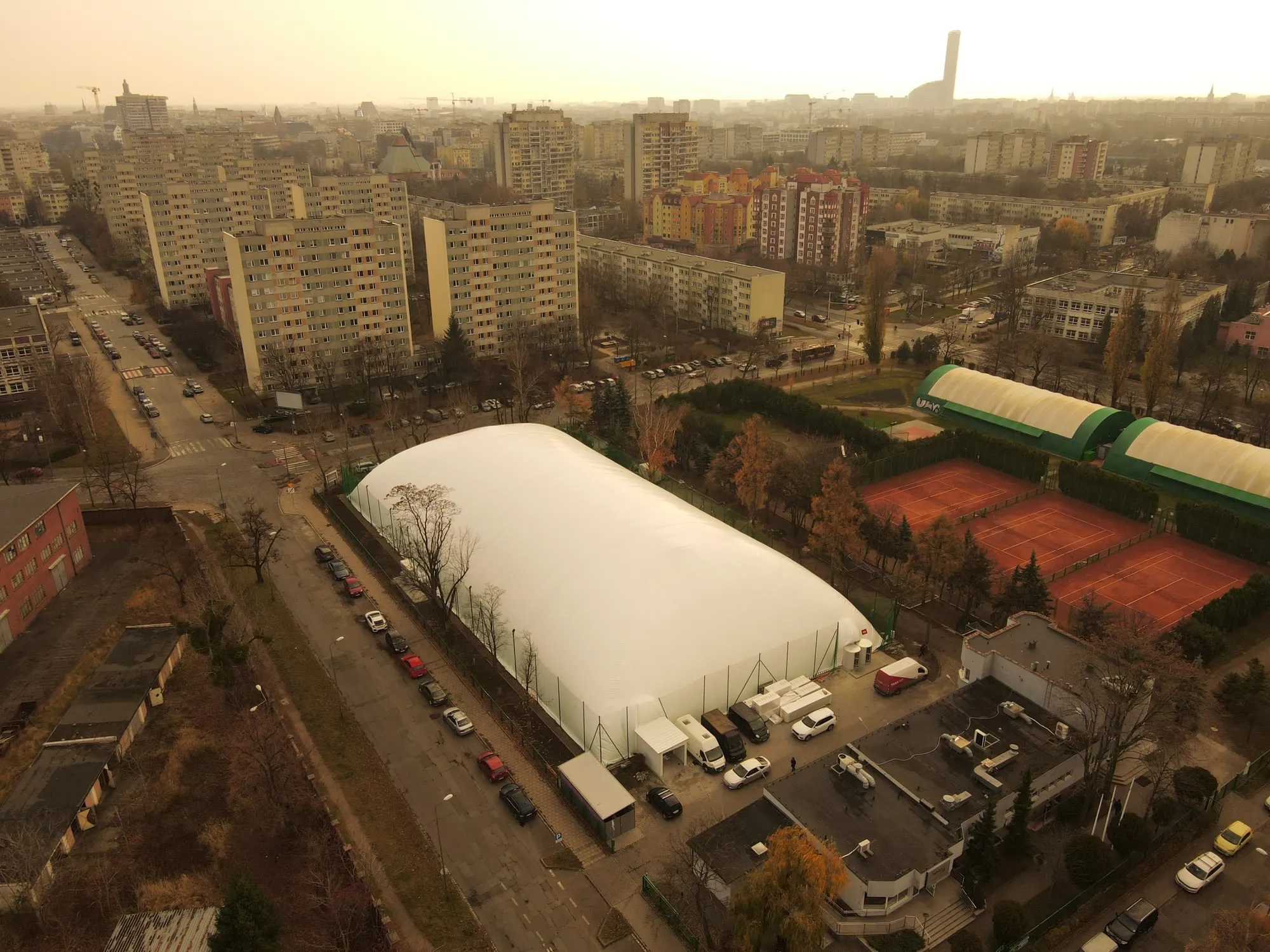
Wrocław, Poland
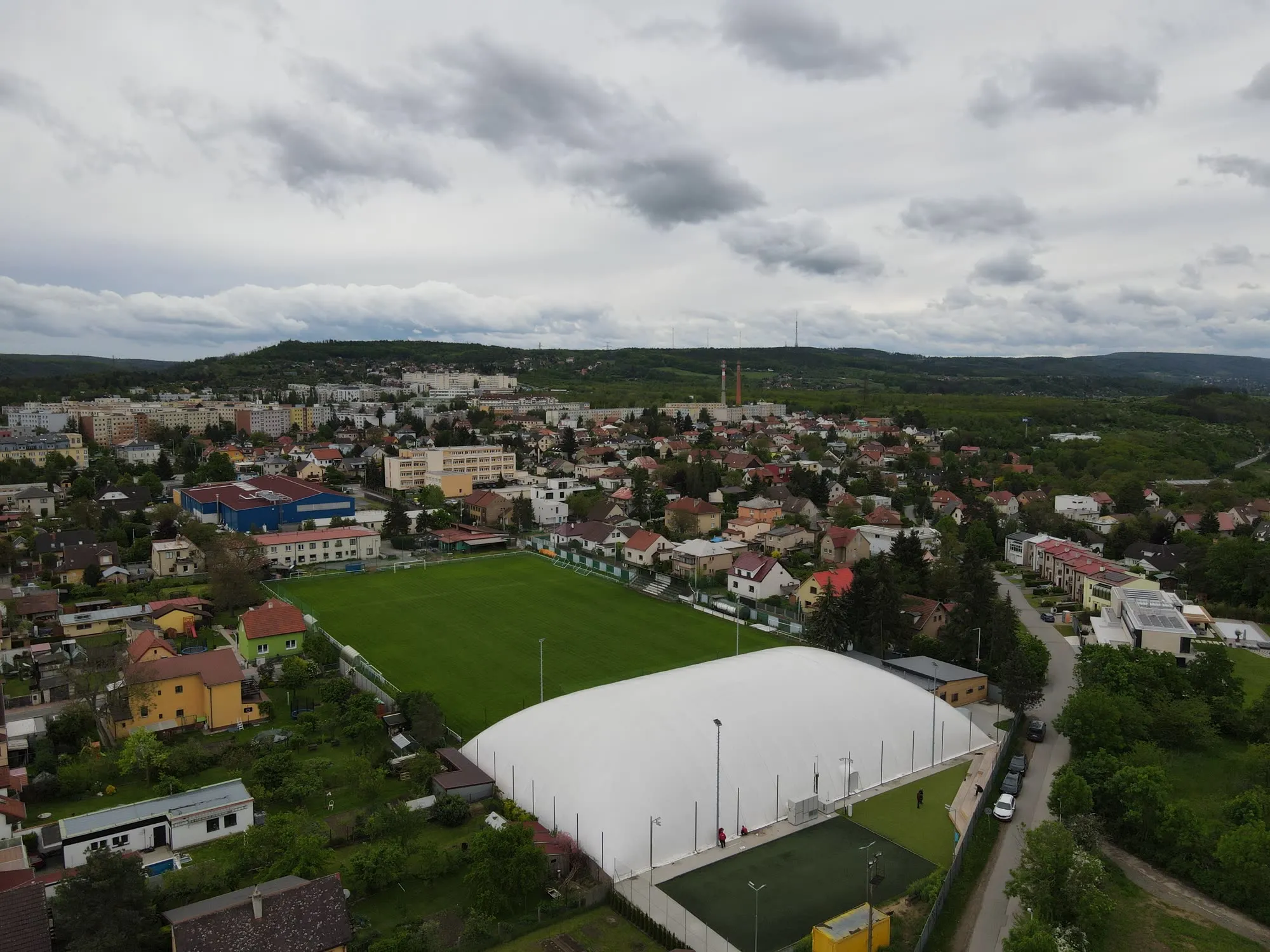
Prague, Czechia
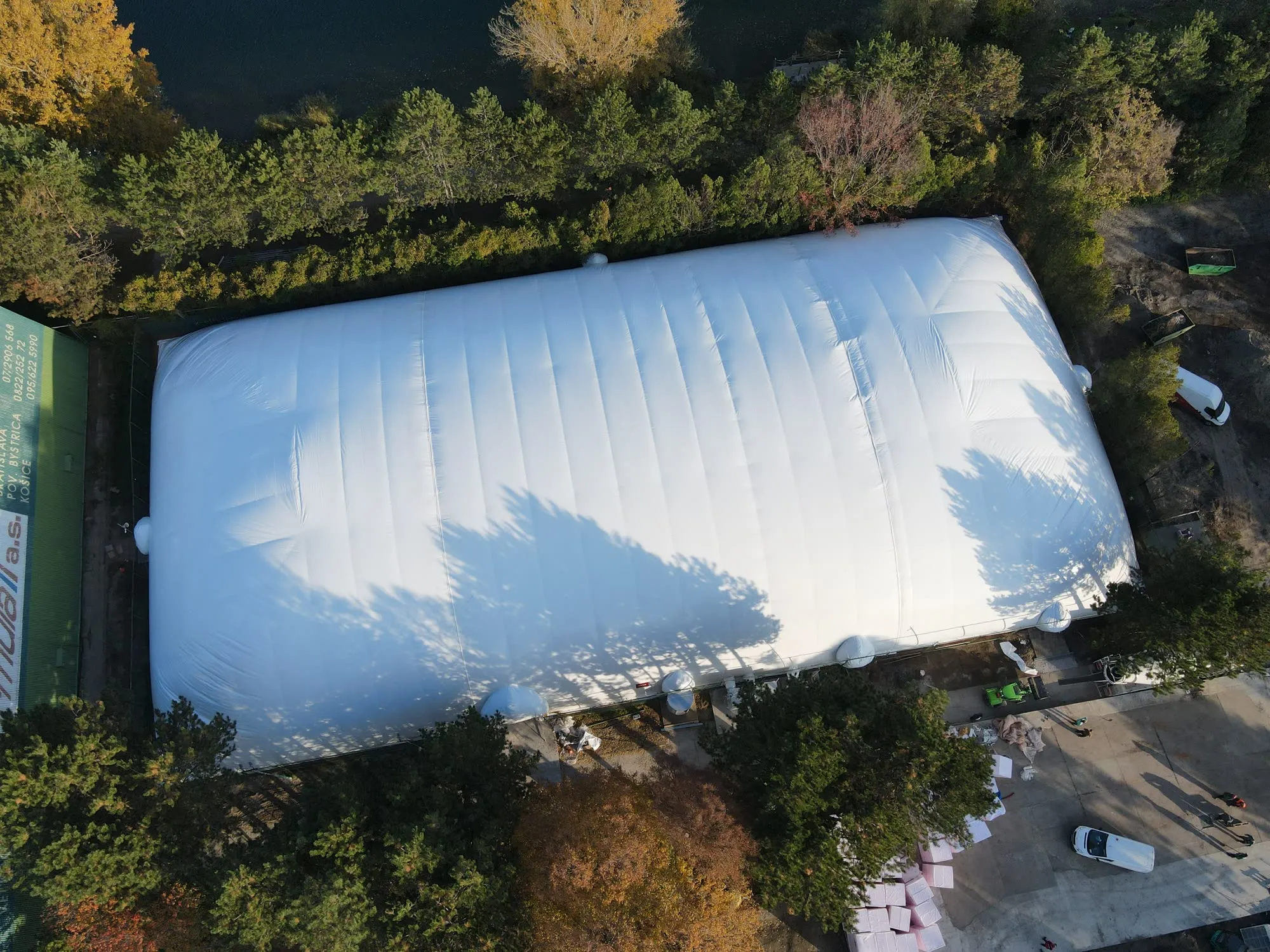
Bratislava, Slovakia
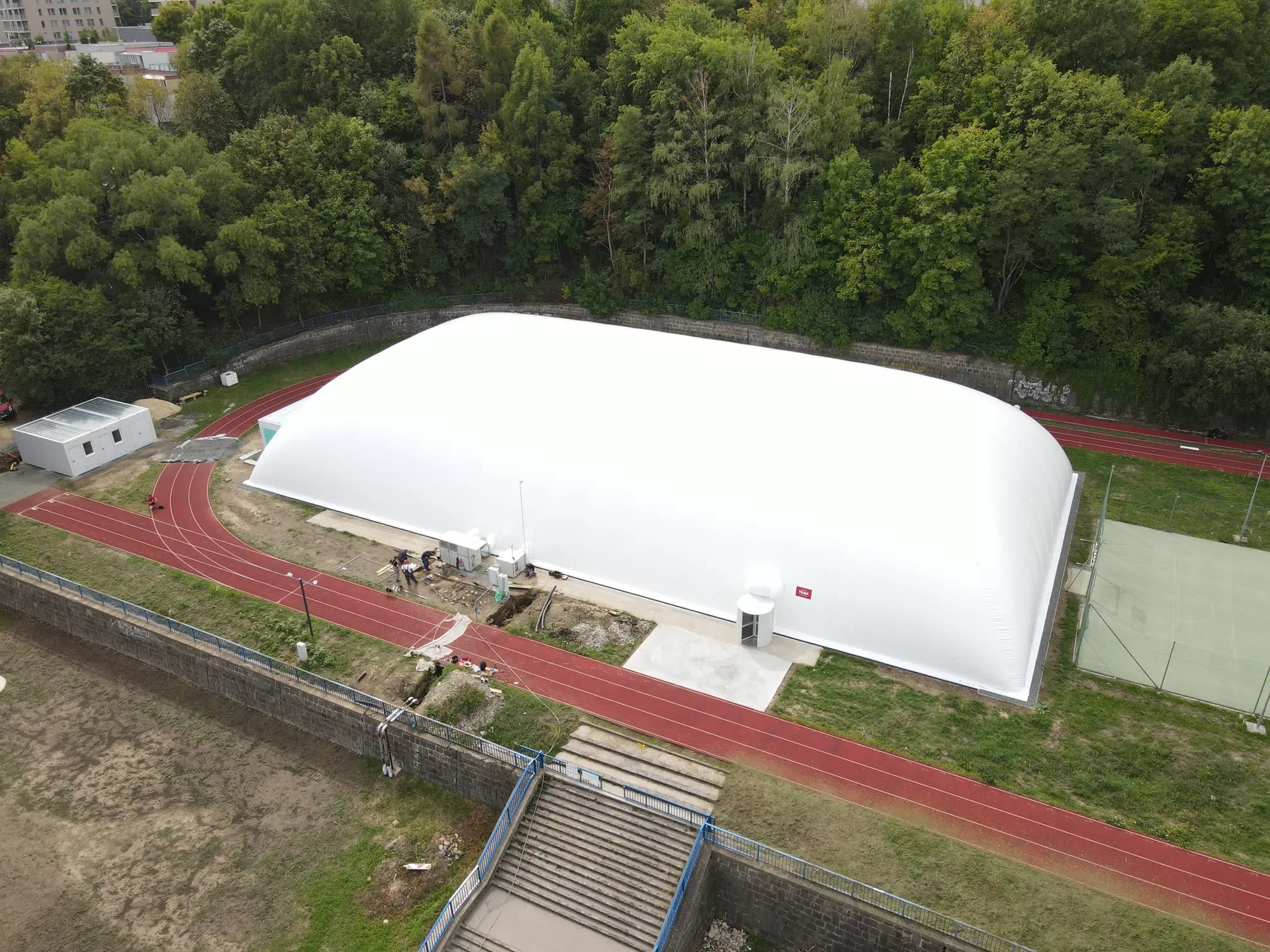
Košice, Slovakia
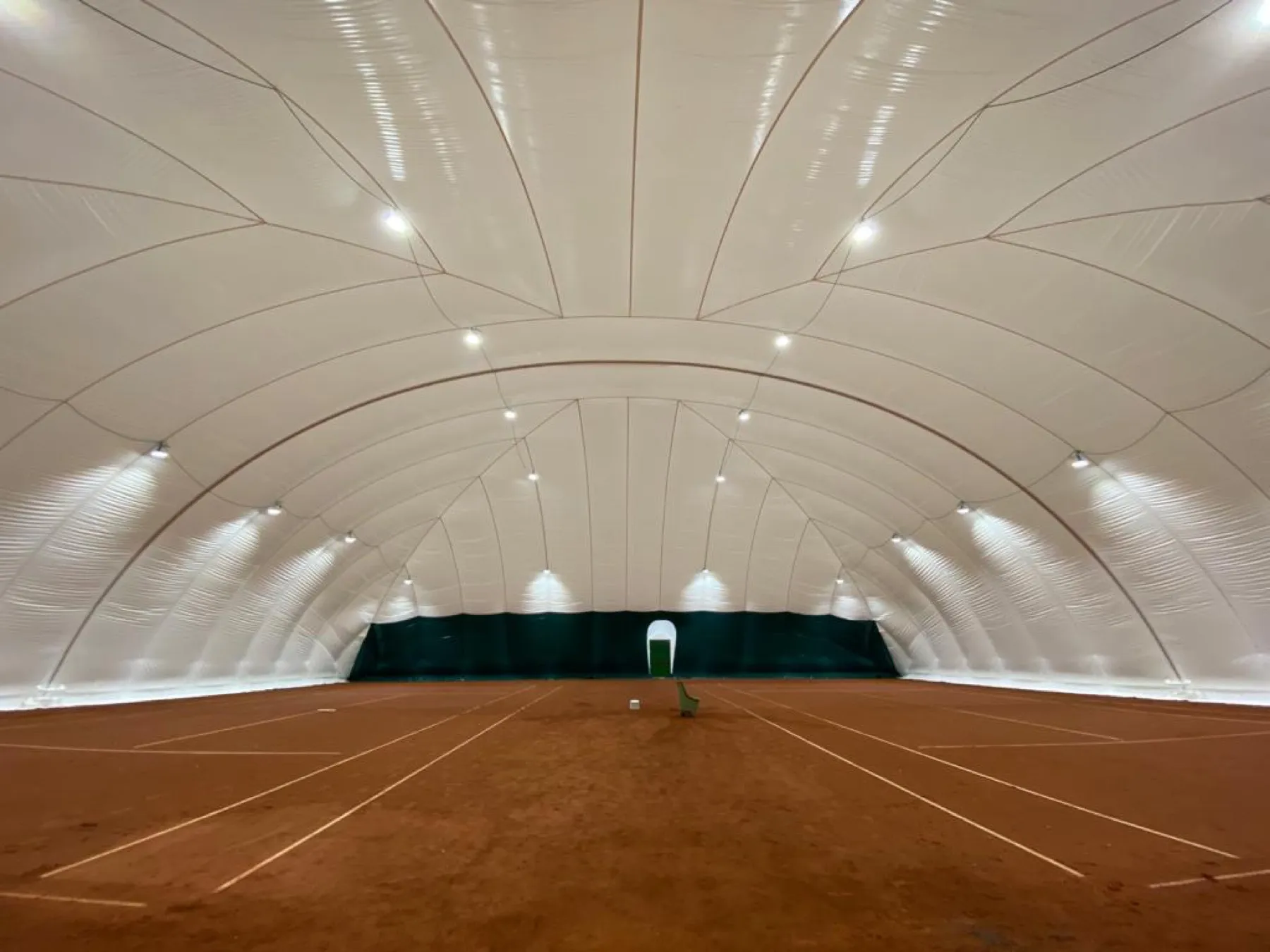
Brno, Czechia
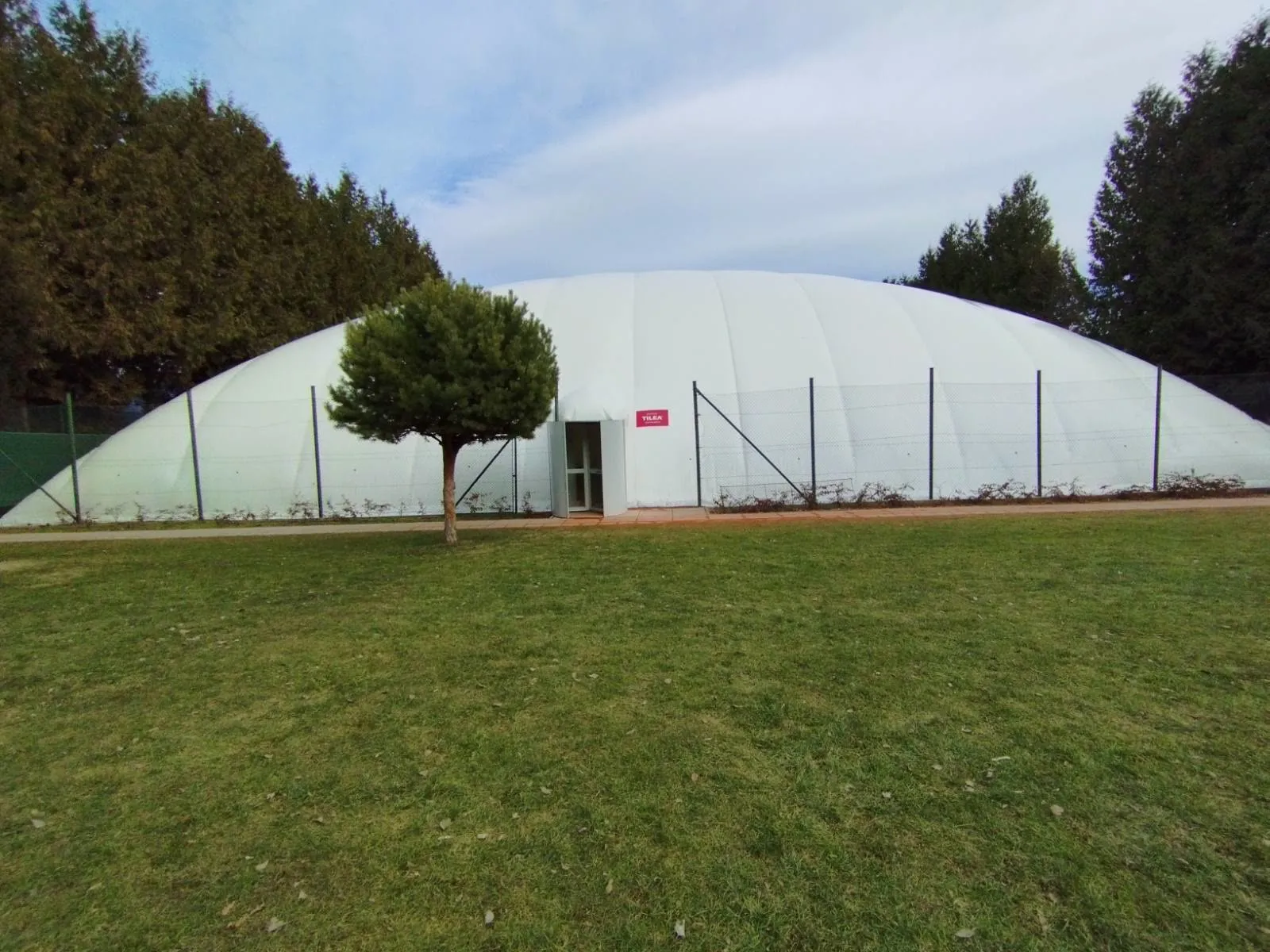
Bratislava, Slovakia
A dome joined to a building, a dome made to measure for a school, and an ice rink under a dome.
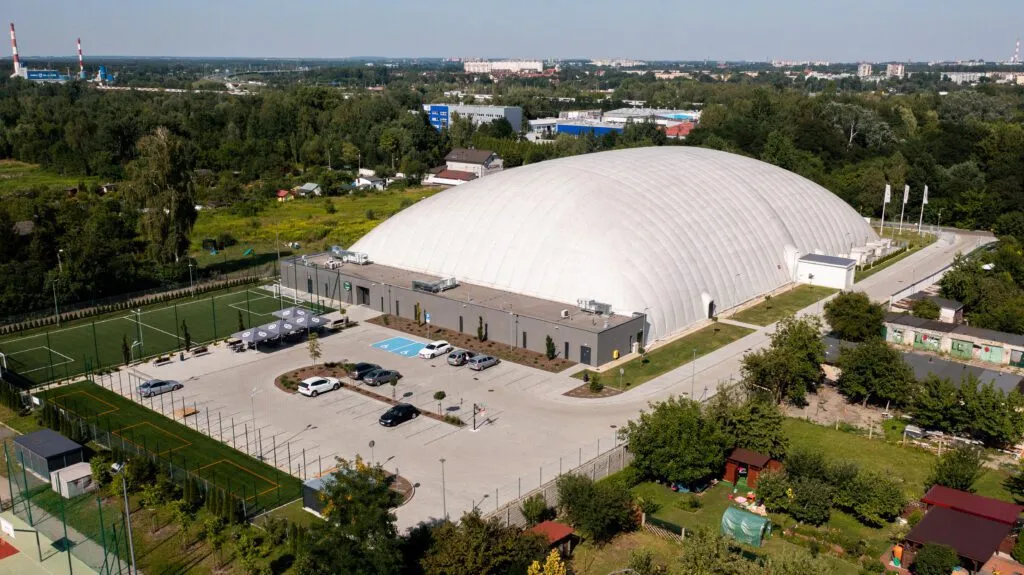
Marco Football Academy, Gliwice, Poland
The Marco football academy in Upper Silesia chose a TILEA dome with its facilities built in.
Video from the Marco Football Academy YouTube channel; all rights belong to Marco Football Academy.
Our Lady's School, Dublin, Ireland
Our Lady's Secondary School wanted a sports hall of international standard for its students. The dome was fitted to the needs of teaching and to the architecture of the campus, from its geometry to its branding.
Built quickly, striking to look at and usable all year: a hall that brings together teaching needs, energy efficiency and the design of the campus.
All rights to the video belong to Our Lady's School.
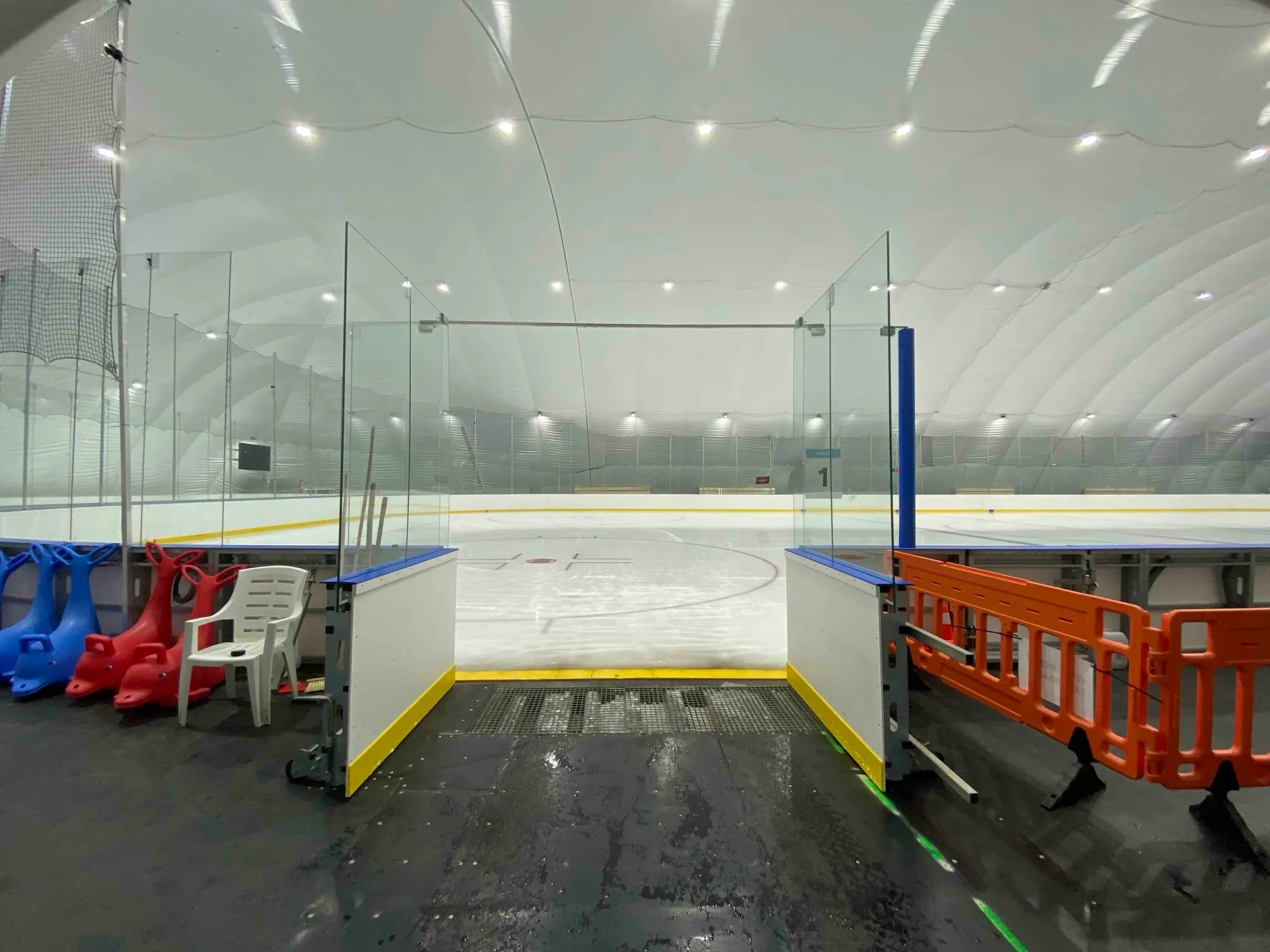
Veolia Arena, Bratislava, Slovakia
The client wanted a full-size sheet of ice under an air dome, for ice hockey, public skating and other ice sports.
A robust ice hall with no supports inside that runs reliably for training, matches and the public — economical, comfortable and open all year.
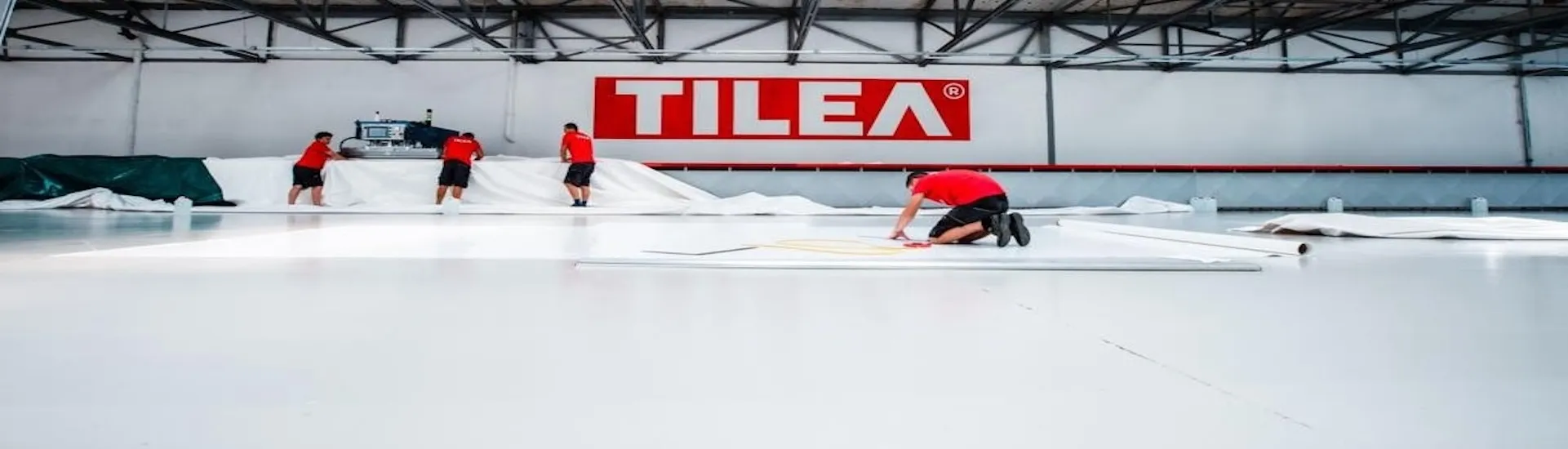
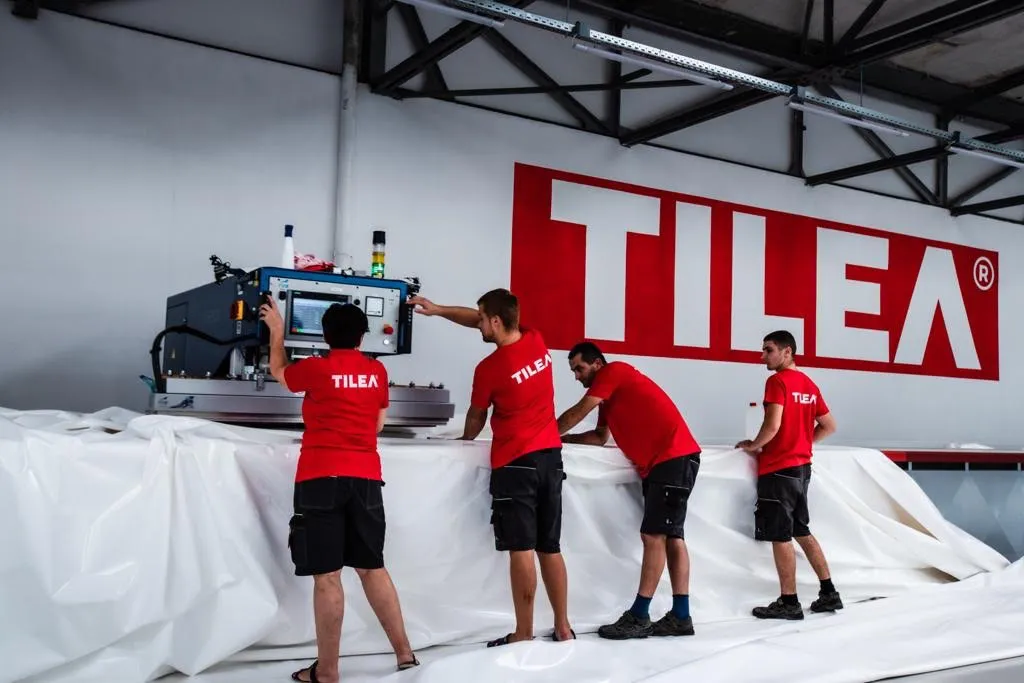
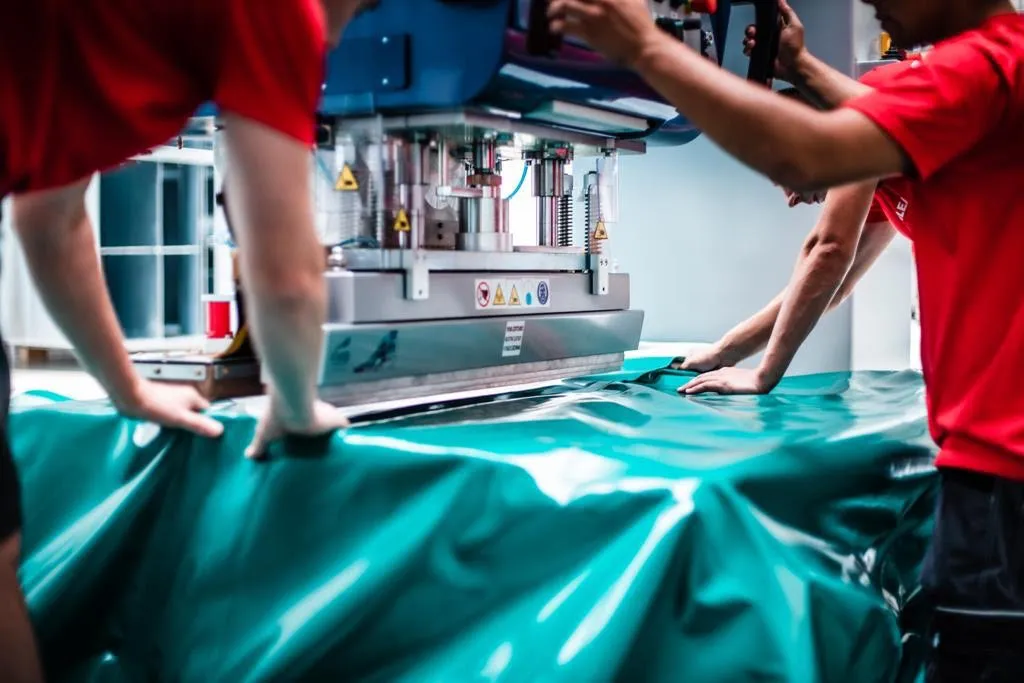
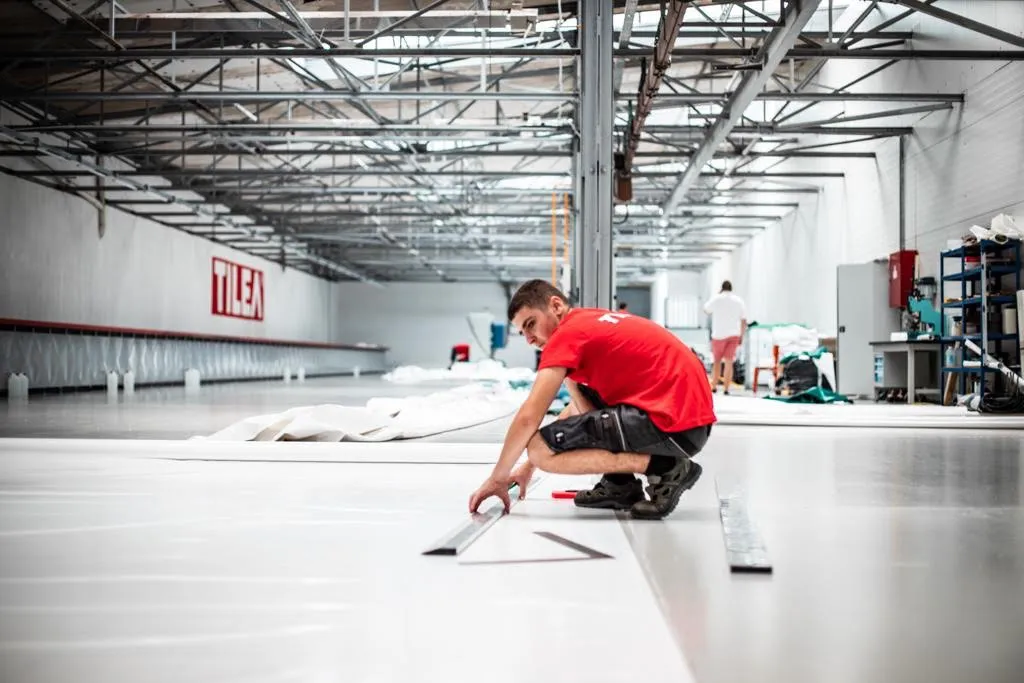
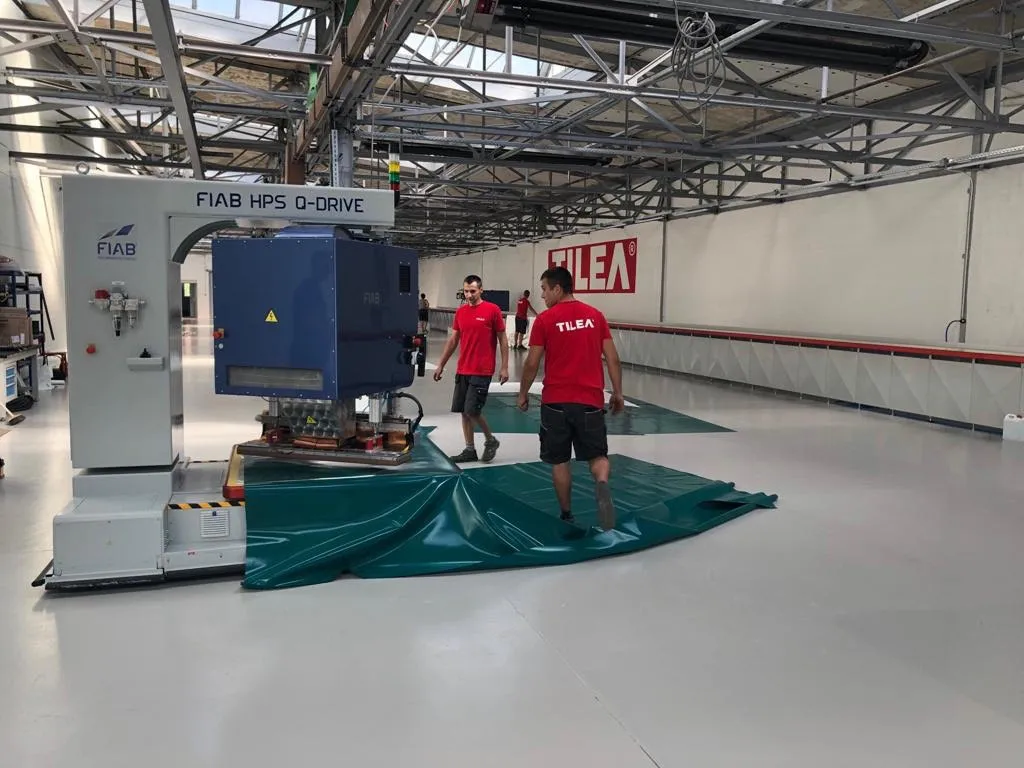
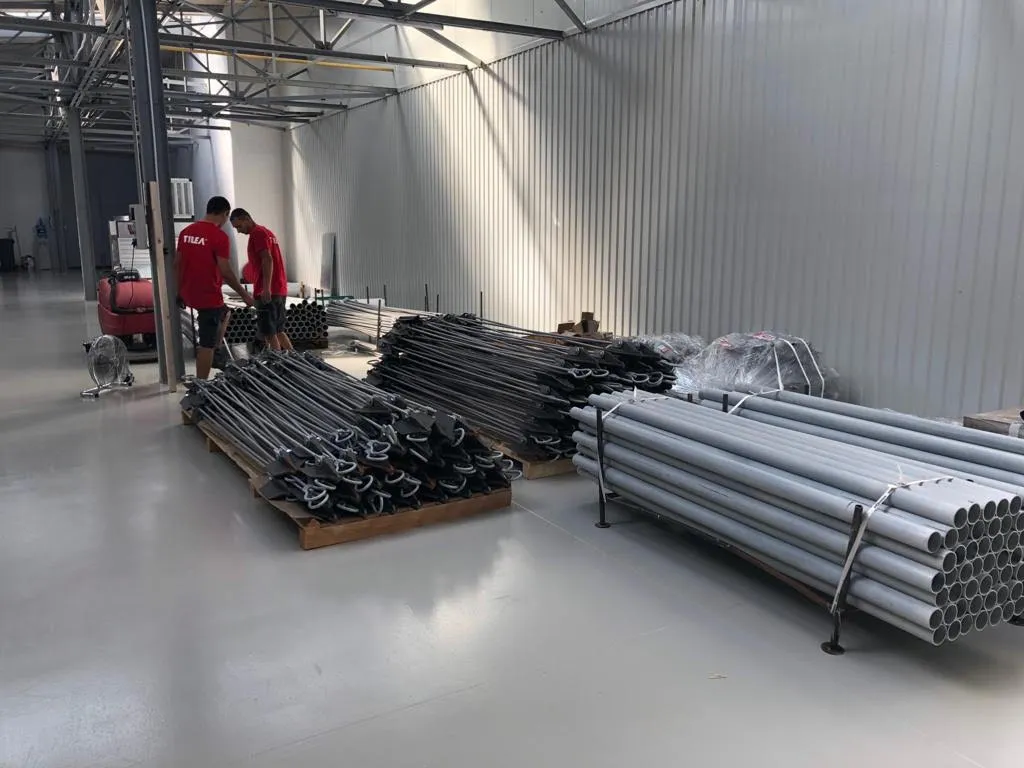
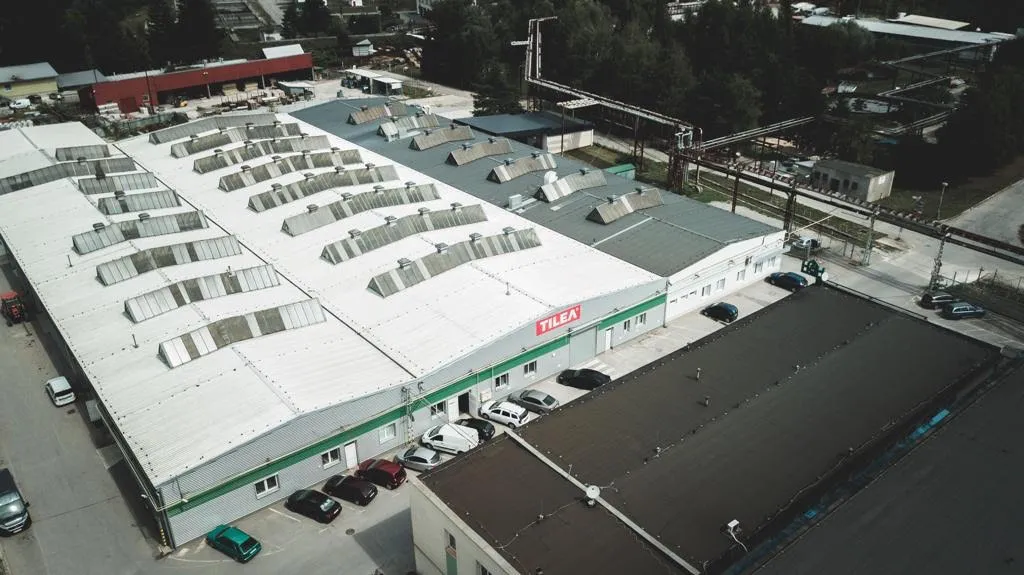
Many companies sell air domes. Very few make them. Every TILEA dome is cut, welded and checked in our own production hall, by our own people.
AgileDome™ is TILEA's control system. It reads the weather outside and the air inside, and reacts before anyone has to. Pick the weather and watch.
AgileDome™ measures how much air the dome needs at this moment and blows in exactly that much. Nothing is wasted on keeping the dome up.
The sensor registers it and the fans raise the pressure inside. The shell stiffens and holds its shape until the storm has passed.
The heating comes on by itself and warms the membrane, so the snow melts and slides off instead of piling up. The pressure rises to carry the rest.
The backup unit takes over. The dome keeps its pressure, its heat and its light.
Opaque membranes keep the sun out, and the cooling runs only as hard as it needs to, with the air kept even across the whole pitch.
Seven parts that work as one system. Pick a number on the drawing.
An outer and an inner membrane with air between them. Both are tough enough for the weather outside and for a football or a racquet inside.
Anchors in two parts. The permanent part stays buried in the ground, so nothing gets in the way of play when the dome comes down for the summer.
Keeps the dome up, warm and supplied with fresh air. It runs on gas, heating oil, hot water or wood pellets.
They take over if the power fails, so the dome keeps its pressure, heat and light.
The everyday way in. People come and go without the dome losing pressure.
Emergency exits around the dome, and a step-free way in for wheelchairs.
Two gates with a chamber between them. Vehicles and equipment drive in while the dome stays inflated.
In a regular dome the roof comes down early at the edges. Footballers cannot take a proper corner kick, and tennis players hit the wall with their racquets, most of all in doubles. So we changed the construction.
The dome reacts on its own. It raises its internal pressure when the wind picks up and switches the heating on when snow starts to fall. No TILEA dome has ever collapsed.
The heating and ventilation units are designed to keep providing heat, light and steady pressure during a power failure.
Yes. Our specialists put it up and take it down; we only ask you for a few helpers. The permanent part of each anchor stays buried underground, so nothing gets in the way of play, and purpose-built carts make transport and storage simple.
Both membranes, the airflow, the thermostats and the insulated thermal bridges are designed to keep heat in. Heat loss is around 50% lower than in older types of dome.
Whichever fuel suits you: gas, heating oil, hot water or wood pellets. Condensing units are available.
Five years on the membranes and the LED lighting, and two years on the ventilation and heating units and all other components.
We do. The dome is serviced twice a year, and our service line is answered 24 hours a day, 7 days a week.
TILEA designs, manufactures, installs and services its own domes. No part of the job is handed to someone else, so one company answers for the result.
The company’s roots go back to a textile factory built in 1896. Today that experience with fabric goes into one product: air domes.
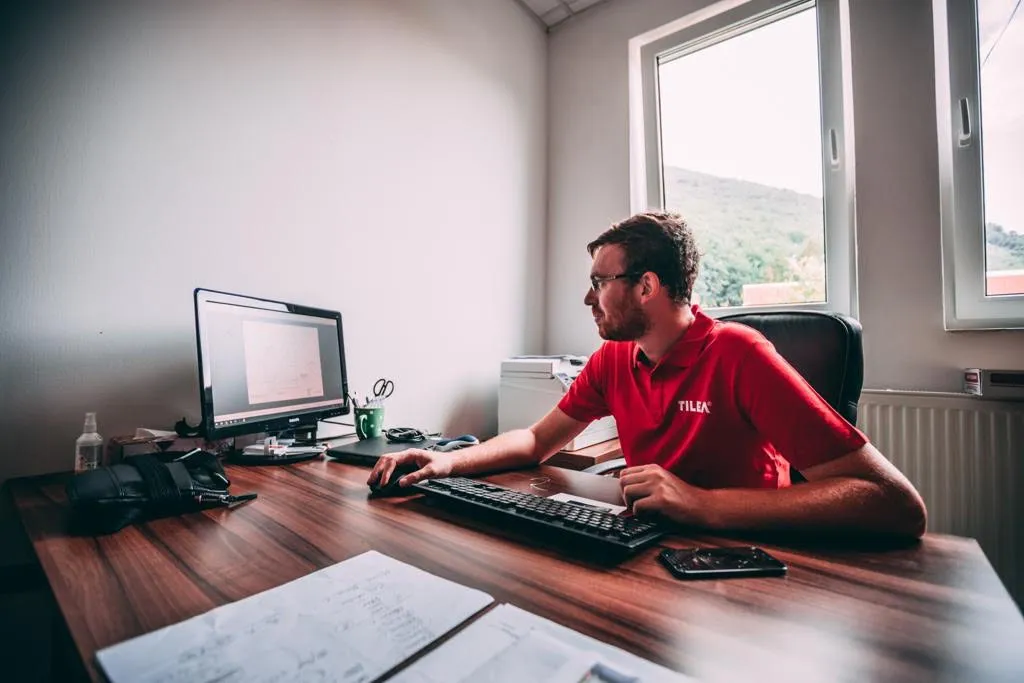
Our own designers keep refining the domes for better technical performance and lower running costs.
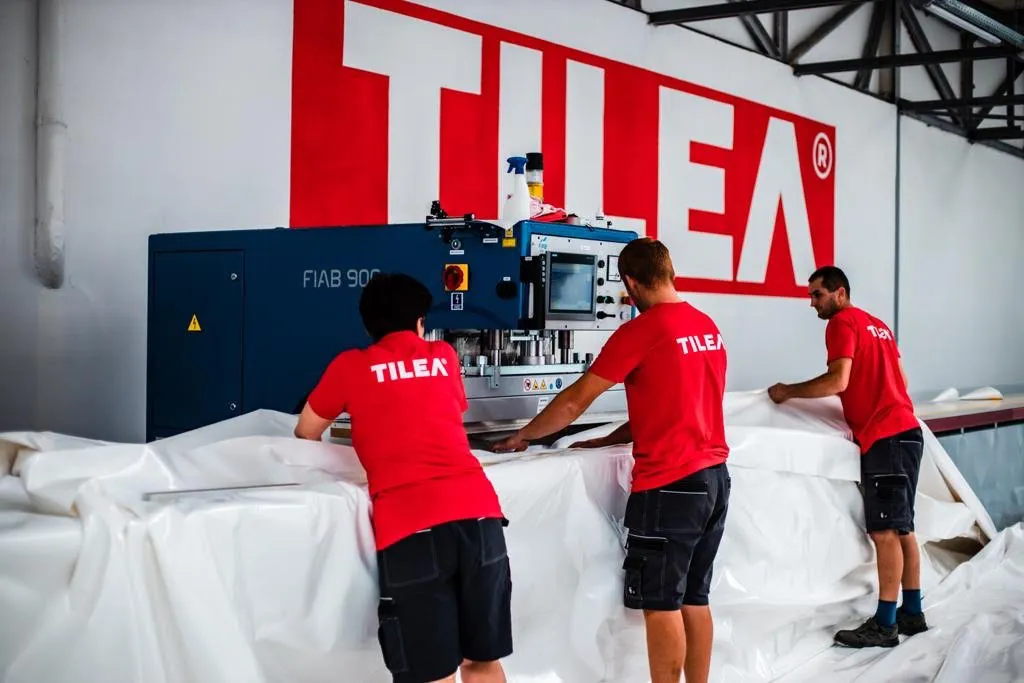
Every seam is high-frequency welded under strict control on our own production line.
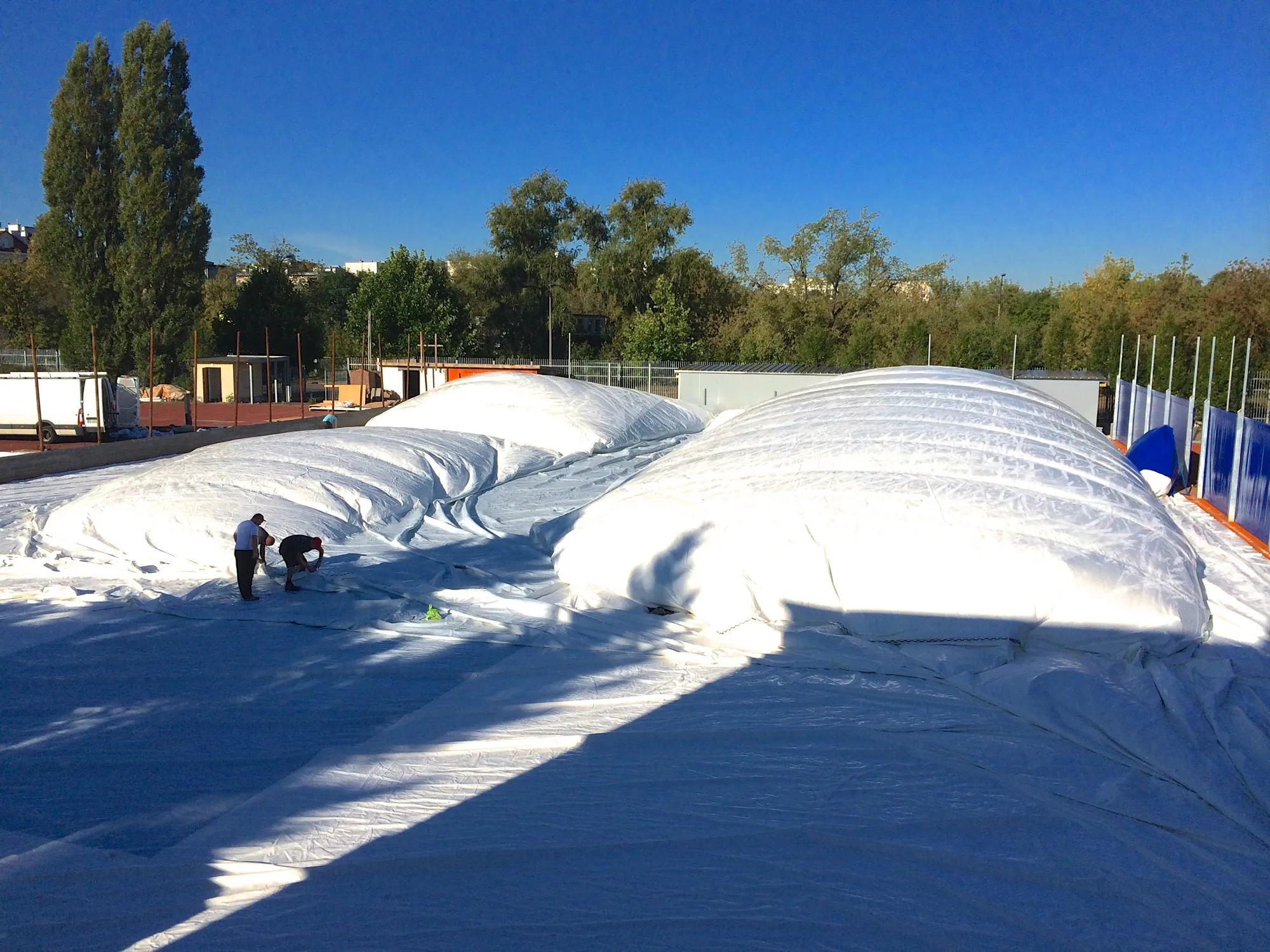
Our own crews put the dome up, which is what guarantees faultless operation and a long service life.
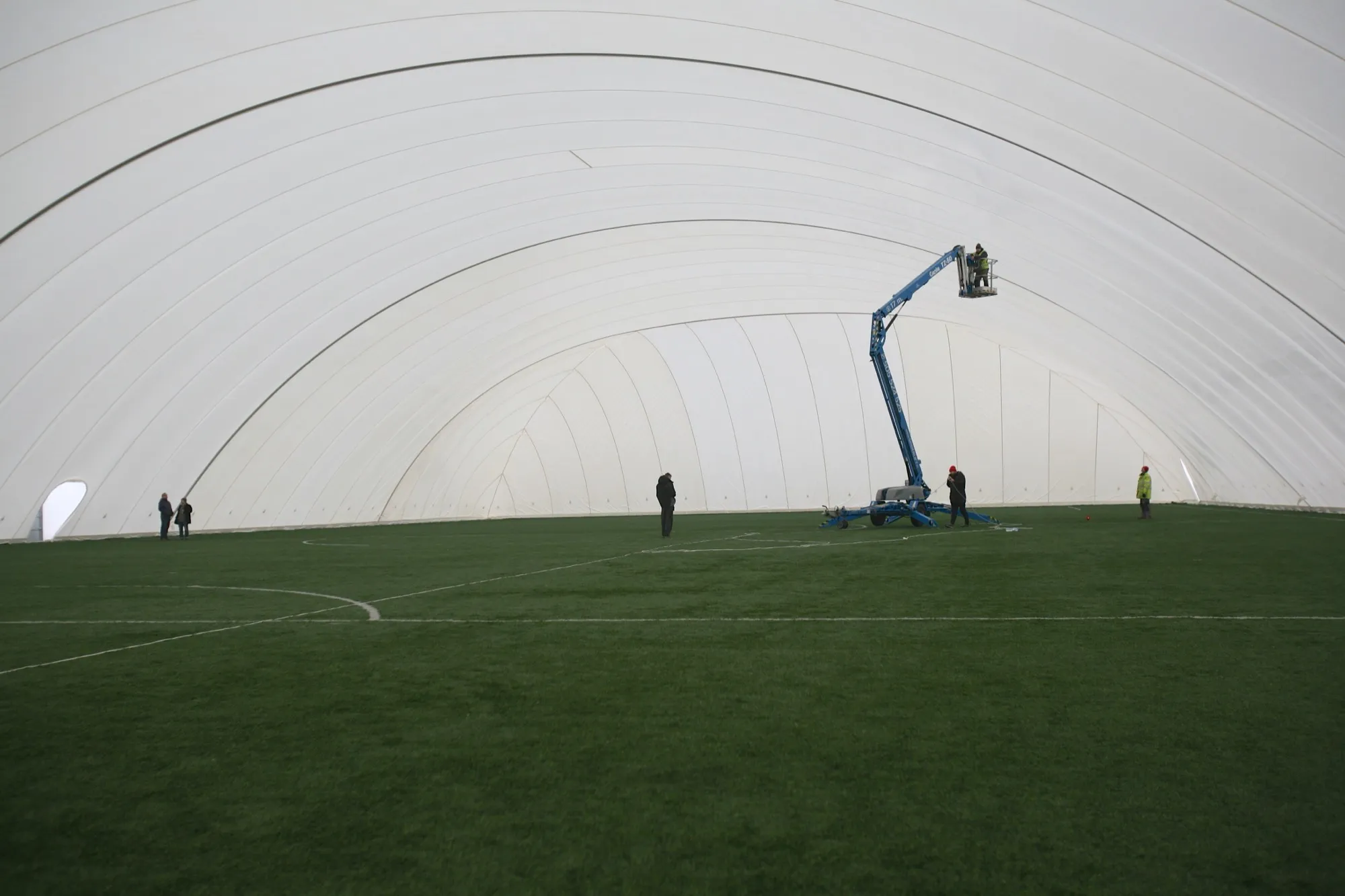
Two service visits a year and a line that is always answered, for as long as the dome stands.
Send us the size of your pitch or court and where it is, and we will come back with a proposal.